Publications

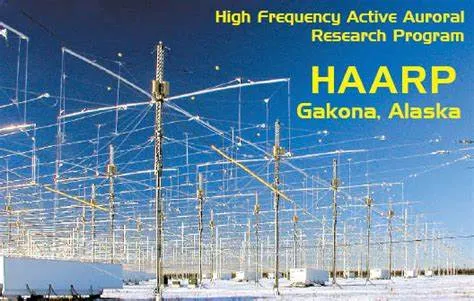
Amateurs Invited to Participate in Largest Set of HAARP Experiments at Its New Observatory

The High-frequency Active Auroral Research Program (HAARP) will be conducting a research campaign from Oct. 19 to Oct. 28, with transmissions taking place between 1400-0600 UTC (see table below for details). Actual transmit days and times are highly variable based on real-time ionospheric conditions. All information is subject to change. This campaign will be the most scientifically diverse ever conducted at HAARP; some particularly notable experiments include a first-of-its-kind attempt to bounce a signal off of Jupiter, investigation into possible causes of the airglow phenomenon known as STEVE (Strong Thermal Emission Velocity Enhancement), and testing the feasibility of using radio transmissions to measure the interiors of near-Earth asteroids. Experiments benefiting from amateur radio support or having citizen science applications are described in the HAARP Letter to the Amateur Radio Community, along with known frequency information. An official HAARP press release is available from the University of Alaska Geophysical Institute.

CLICK HERE FOR DETAILED EXPERIMENT INFORMATION

HamSCI Presents at ARRL-TAPR Digital Communications Conference

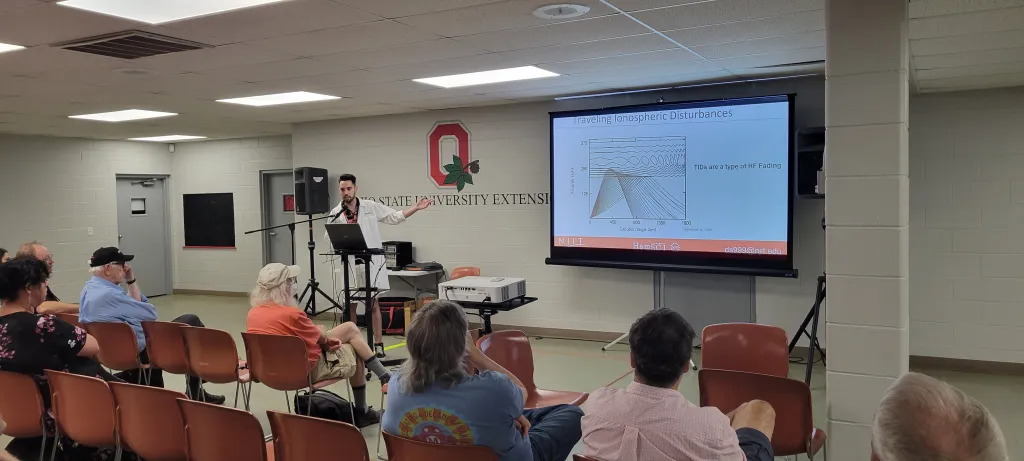
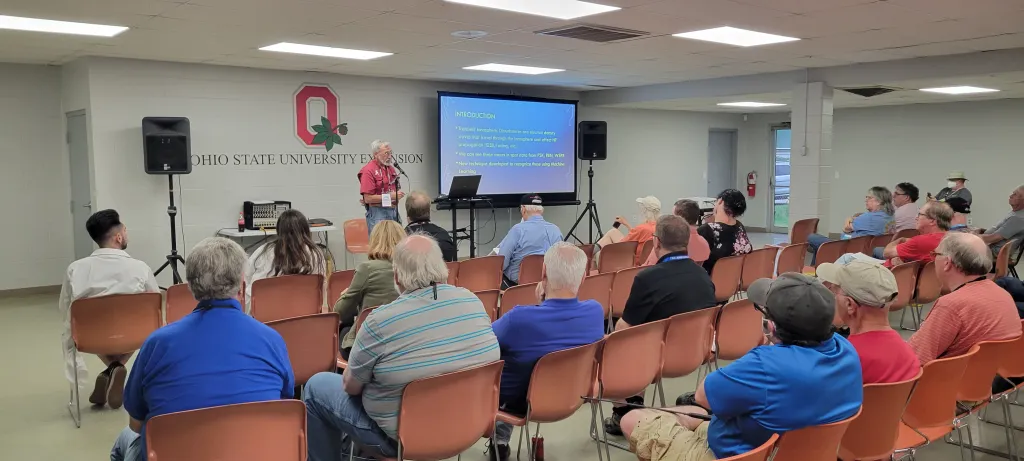
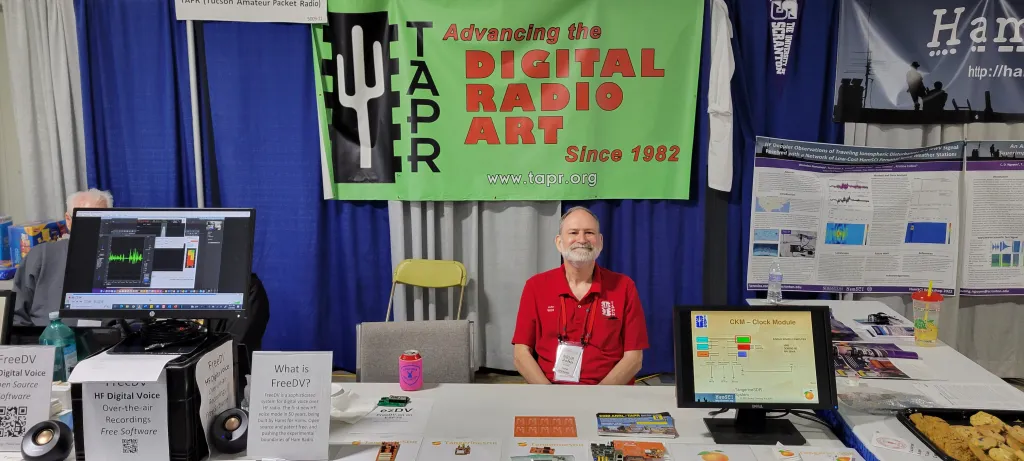
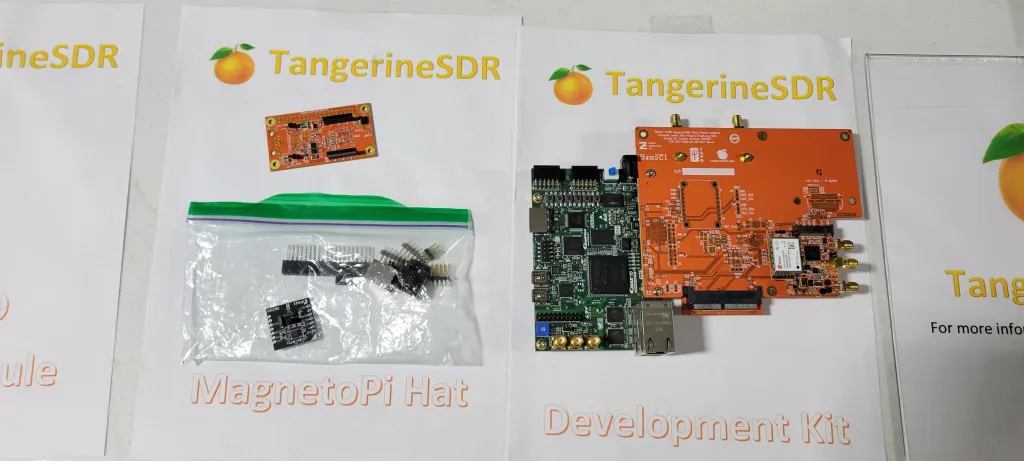
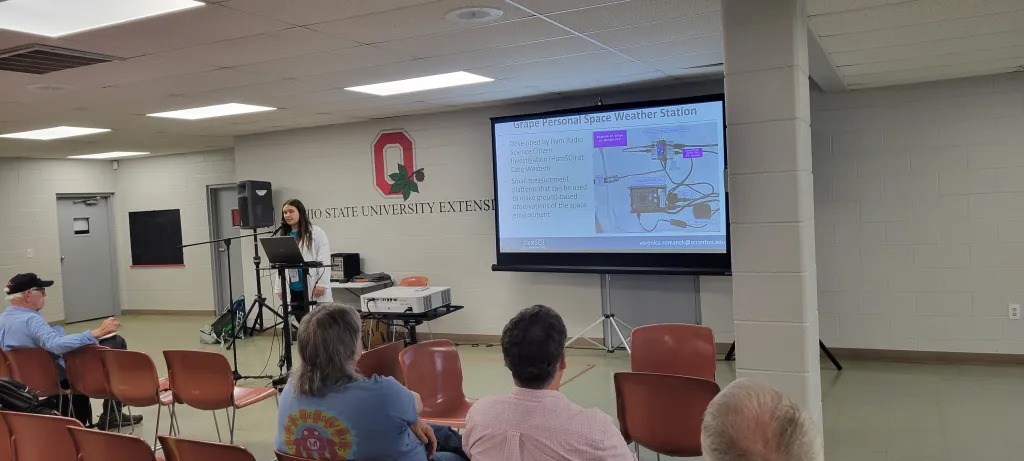
Members of the HamSCI team are in Charlotte, North Carolina this Friday through Sunday to present at the ARRL-TAPR Digital Communications Conference (DCC). The ARRL-TAPR DCC is an annual conference that presents leading ideas related to amateur radio electrical engineering and related fields. This year, members of HamSCI will be presenting on topics related to the upcoming 2023 and 2024 solar eclipses, the development of the Personal Space Weather Station, including the Grape HF Doppler Receiver, VLF receiver, and TangerineSDR wideband receiver. Additional presentations include advances in analysis of Traveling Ionospheric Disturbances observed both with large-scale amateur radio reporting systems (RBN/WSPRNet/PSKReporter) and the Grape Personal Space Weather Station, as well as the initial public release of pyLap, the new open-source Python-based interface to the PHaRLAP HF ray tracing toolkit. The entire DCC is being live streamed via the TAPR Digital YouTube Channel. You can download the conference agenda here.

White Papers Submitted to National Academy of Sciences Decadal Survey

HamSCI submitted two white papers to the National Academy of Sciences Decadal Survey for Solar and Space Physics (Heliophysics) 2024-2033. The first white paper, entitled Amateur Radio: An Integral Tool for Atmospheric, Ionospheric, and Space Physics Research and Operations, discusses the technical capabilities of the amateur radio community and the open scientific questions and space weather operational needs that can be addressed with these capabilities. The second paper, Fostering Collaborations with the Amateur Radio Community, talks about how the professional science space science community and the amateur radio community can work together for mutual benefit and provides recommendations for fostering this relationship. The National Academy of Sciences (NAS) is the body in the United States charged with setting the highest level science priorities for the United States. Every 10 years, the NAS conducts a decadal survey of the community to help set these priorities. This current Decadal Survey for Solar and Space Physics (Heliophysics) will be the guiding document for space science research and operations for NASA, the National Science Foundation (NSF), the National Oceanic and Atmospheric Administration (NOAA), and congress from 2024-2033.

A Systematic Study of 7 MHz Greyline Propagation Using Amateur Radio Beacon Signals

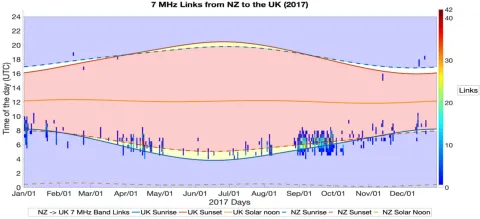
A new study by Sam Lo et al. from the Centre for Space at the University of Bath entitled "A Systematic Study of 7 MHz Greyline Propagation Using Amateur Radio Beacon Signals" was just published in the peer-reviewed journal Atmosphere. Abstract: This paper investigates 7 MHz ionospheric radio wave propagation between pairs of distant countries that simultaneously lie on the terminator. This is known as greyline propagation. Observations of amateur radio beacon transmitters recorded in the Weak Signal Propagation Reporter (WSPR) database are used to investigate the times of day that beacon signals were observed during the year 2017. The WSPR beacon network consists of thousands of automated beacon transmitters and observers distributed over the globe. The WSPR database is a very useful resource for radio science as it offers the date and time at which a propagation path was available between two radio stations, as well as their precise locations. This paper provides the first systematic study of grey-line propagation between New Zealand/Eastern Australia and UK/Europe. The study shows that communications were predominantly made from the United Kingdom (UK) to New Zealand at around both sunset and sunrise times, whereas from New Zealand to the UK, communication links occurred mainly during UK sunrise hours. The lack of observations at the UK sunset time was particularly evident during the UK summer. The same pattern was found in the observations of propagation from Eastern Australia to UK, and from New Zealand and Eastern Australia to Italy and the surrounding regions in Europe. The observed asymmetry in reception pattern could possibly be due to the increase in electromagnetic noise across Europe in the summer afternoon/evening from thunderstorms. URL: https://www.mdpi.com/2073-4433/13/8/1340

Congratulations to Sam Lo and the entire team!

Lo, Sam, Nikola Rankov, Cathryn Mitchell, Benjamin Axel Witvliet, Talini Pinto Jayawardena, Gary Bust, William Liles, and Gwyn Griffiths. 2022. "A Systematic Study of 7 MHz Greyline Propagation Using Amateur Radio Beacon Signals" Atmosphere 13, no. 8: 1340. https://doi.org/10.3390/atmos13081340

Seminar: Revolutionary Alternatives in Sunspot Prediction

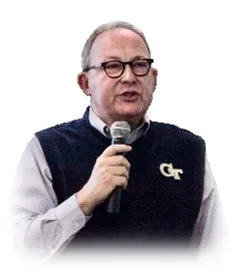
Dr. Frank Howell K4FMH will present a seminar based on his two-part article in the July & August 2022 issues of the Radio Society of Great Britain’s RadCom journal, written with Dr. Scott McIntosh of NCAR in Colorado, titled, “On the Cusp of a Scientific Revolution?” The seminar includes the latest theory construction and model estimation. The seminar will be held on September 1, 2022 at 4 PM Eastern (2000z) during the weekly Solar Eclipse QSO Party Zoom Telecon. Frank is Professor Emeritus at Mississippi State University, Affiliated Faculty at Emory University, and a scientific member of HamSCI.

Abstract: Sunspots are the Dow Jones Industrial Index for hams. We are faithful to the sine wave model of the approximate 11-year cycle with the official NASA/NOAA predictions being our Holy Grail. I’ll address the following issues. How did we get to this sine wave conception? How do scientific paradigms compete and change? A new competing paradigm by the McIntosh team has been proposed. What’s new? What’s both the theoretical and empirical basis for this Kuhnian revolution in predictions? For Cycle 25, I’ll compare the official NASA/NOAA versus McIntosh team projections of SSNs and how they are constructed. I’ll also show how they compare to observed sunspots in the Cycle. Can we now better predict the underlying phenomena driving the amplitude and transition of a cycle? This model competition may well parallel the Newton-Einstein paradigm clash a century ago where science hung in the balance while solar eclipse photo plates were taken in Brazil and the Island of Principe. Now, we can follow along and see: will there be a scientific revolution in sunspot prediction?

Solar Eclipse QSO Party 2023/2024 Planning Kickoff

The Solar Eclipse QSO Party (SEQP) is coming back! Two solar eclipses will be traversing the continental United States over the next two years: an annular solar eclipse on October 14, 2023 and a total solar eclipse on April 8, 2024.  These eclipses are going to be the last solar eclipse traversing the continental United States until 2044, and therefore this is our chance to both have some fun on the radio and study these amazing events! During a solar eclipse, the shadow of the moon creates temporary night-like conditions on Earth. This causes the ionosphere to weaken and the atmosphere to cool, therefore causing changes in ionospheric radio propagation. On August 21, 2017, HamSCI coordinated the first Solar Eclipse QSO Party, a ham radio contest-like event that produced data used to study the impact of the eclipse on the ionosphere. HamSCI is planning on have two more SEQPs, one for each of the upcoming solar eclipses. If you would like to help plan for these exciting events and be part of the science team, join us every week on Thursdays at 4 PM Eastern starting September 1, 2022 on our Zoom telecon.

HamSCI to Use Grape Personal Space Weather Stations to Study the 2023 and 2024 Solar Eclipses

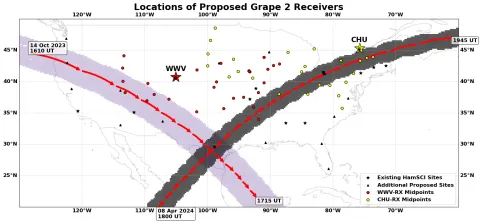
The HamSCI teams at the University of Scranton W3USR and Case Western Reserve University W8EDU were recently awarded a 3-year collaborative National Science Foundation grant to study impacts of the 2023 and 2024 Solar Eclipses on the ionosphere, as well as ionospheric variability that occurs during every day dawn and dusk. The project will be led by Nathaniel Frissell, W2NAF at Scranton and David Kazdan AD8Y, John Gibbons N8OBJ, Rachel Boedicker AC8XY, and Christian Zorman at Case Western. Kristina Collins KD8OXT, Bill Engelke AB4EJ, Steve Cerwin WA5FRF, Phil Erickson W1PJE, Mary Lou West KC2NMC, Bob Gerzoff WK2Y, Rachel Frissell W2RUF, and the entire HamSCI Grape Personal Space Weather Station team played a significant role in winning this grant. NSF funding will provide for about thirty Personal Space Weather Station Grape receivers to be deployed throughout North America. Their locations will be optimized to study the ionospheric impacts simultaneously received from WWV (Fort Collins, CO) on 5 and 10 MHz and CHU (Ottawa, Canada) on 3.33, 7.85, or 14.67 MHz. The HamSCI amateur radio community will be able purchase and field additional stations. All stations will run continuously from deployment through at least the end of the project, and will capture the 2023 and 2024 eclipses. If you would like to participate, please join our Google Group and weekly Grape telecons!

Understanding ionospheric variability remains a frontier topic in the space physics community. This variability is key not only to understanding ionospheric dynamics in its own right, but also as a means to understanding the coupled geospace system as a whole. This project will study ionospheric variability across the continental United States generated by two important classes of geophysical events: dawn/dusk transitions and solar eclipses. Dawn and dusk are daily events with predictable changes in insolation, and yet these events produce a complex response in observed ionospheric variability that is still not completely understood. Solar eclipses are not only stunning visual displays, but also dramatically affect the ionosphere in ways that are both similar to and different from dawn and dusk. During the course of this project, an annular solar eclipse will take place on 14 October 2023 and a total solar eclipse will take place on 8 April 2024. Both eclipses have paths that sweep across the continental United States (CONUS). These are the last solar eclipses to traverse the CONUS until 2044, and are therefore important, time-sensitive, information rich opportunities for running unique and “controlled” ionospheric experiments.

New Paradigm for Solar Cycle Measurement and Prediction Featured in RadCom

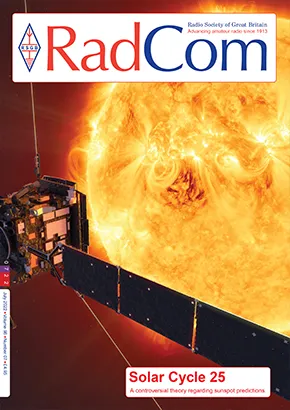
As Solar Cycle 25 begins, amateur radio operators look forward to the return of the exciting propagation conditions associated with solar maximum. The classic paradigm for solar cycle prediction is based on an 11-year sinusoidal pattern of sunspot numbers, with an official NASA-NOAA "consensus" prediction coming from a panel of experts evaluating an ensemble of different types of models. However, the underlying solar cycle mechanism is still not well understood and this consensus prediction can fall short. Scott McIntosh at the U.S. National Center of Atmospheric Research (NCAR) and his team have recently published a new method for predicting the time and amplitude of solar maximum, based on changes in the observed magnetic polarity in different regions of the sun. This new method predicts a stronger Solar Cycle 25 than the NASA-NOAA "consensus" prediction. HamSCI member Frank Howell K4FMH teams up with Dr. McIntosh to review this new methodology and its potential impacts on how we think about solar cycle predictions in a two-part article series currently featured on the cover of RSGB's RadCom magazine. More information can also be found at Frank's blog.

Results of ULF Sonification Survey Published

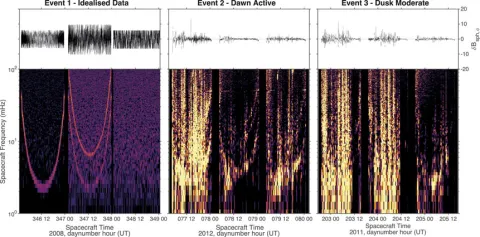
In November 2021, Dr. Martin Archer asked the HamSCI and Amateur Radio Community for help in determining the best way to sonify ultra low frequency (ULF) plasma waves measurements. Those results have just been published! From Dr. Archer:

"Our sense of sound can be a powerful tool in exploring and analysing data collected from satellites. But what is the best way to make this data audible? Space science researchers at Imperial College London asked for your input on which methods of making the sounds of near-Earth space audible produce the best results. We’re pleased to announce that the results of this survey have now been published in Frontiers in Astronomy and Space Sciences. The feedback was invaluable, providing clear recommendations on which methods were best. These are now being used by space scientists around the world to improve their science communication, public engagement, and citizen science. Thank you!"


Dr Martin Archer (he/him/his)
UKRI Stephen Hawking Fellow in Space Physics and Public Engagement
Space and Atmospheric Physics, Department of Physics
Imperial College London
London SW7 2AZ, UK

Website          MartinArcher.co.uk
Twitter            @martinarcher
Facebook      DrMartinArcher
YouTube        MartinArcherDr

Hamvention 2022

HamventionGroup2022.jpg
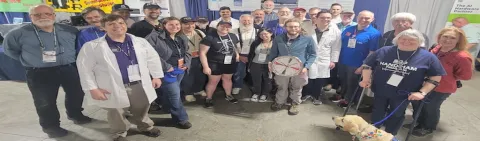
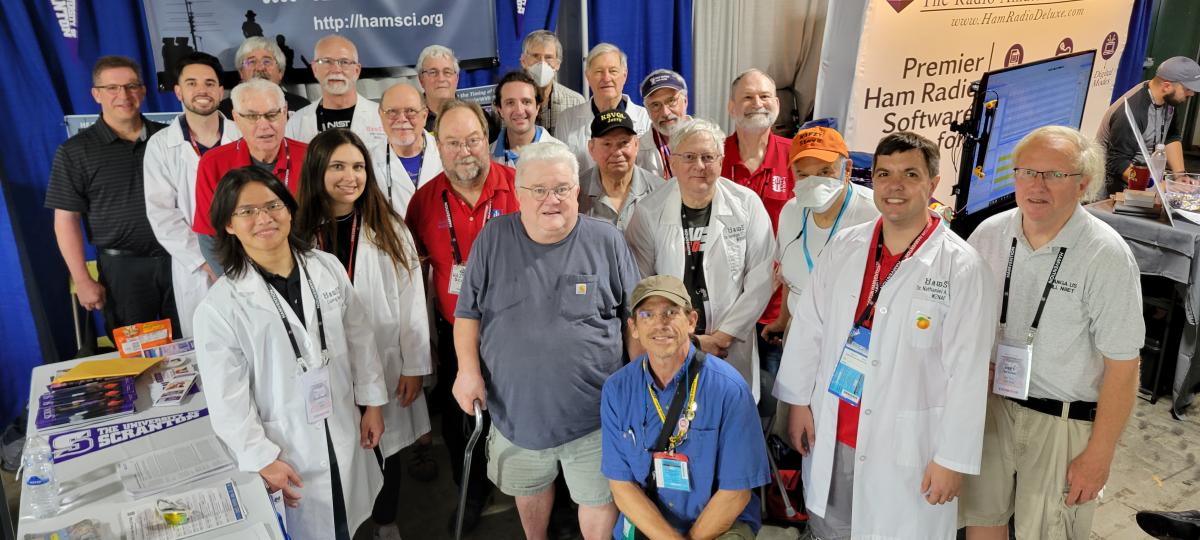
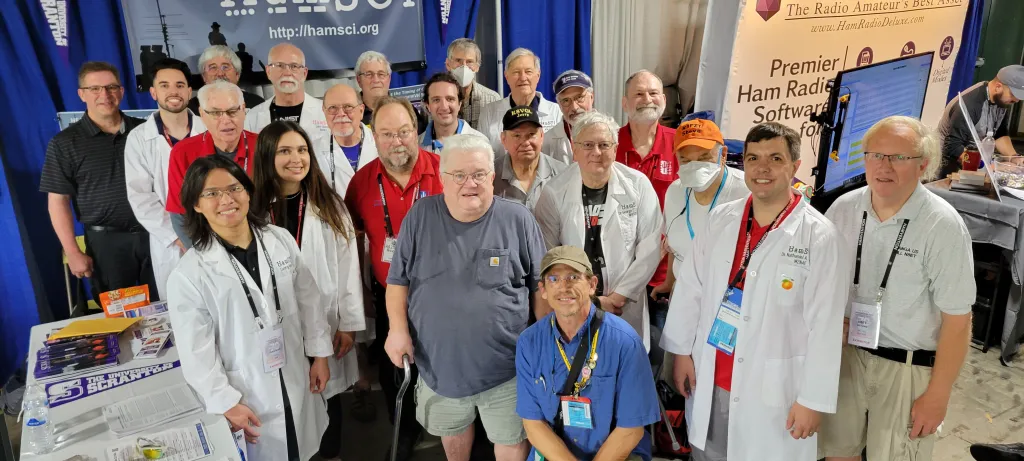
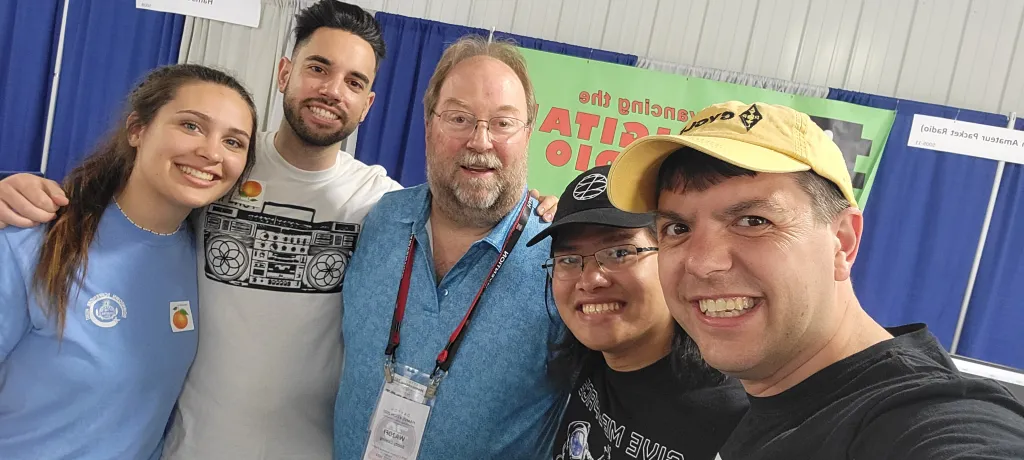
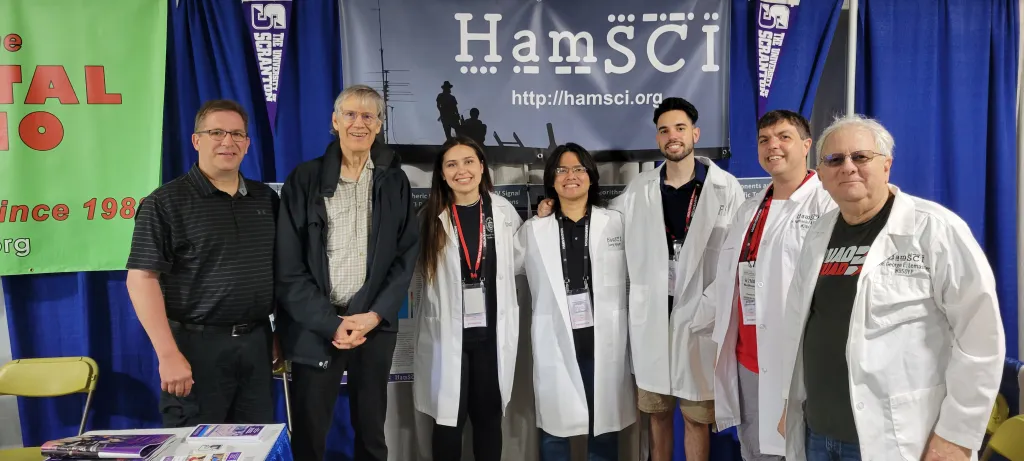
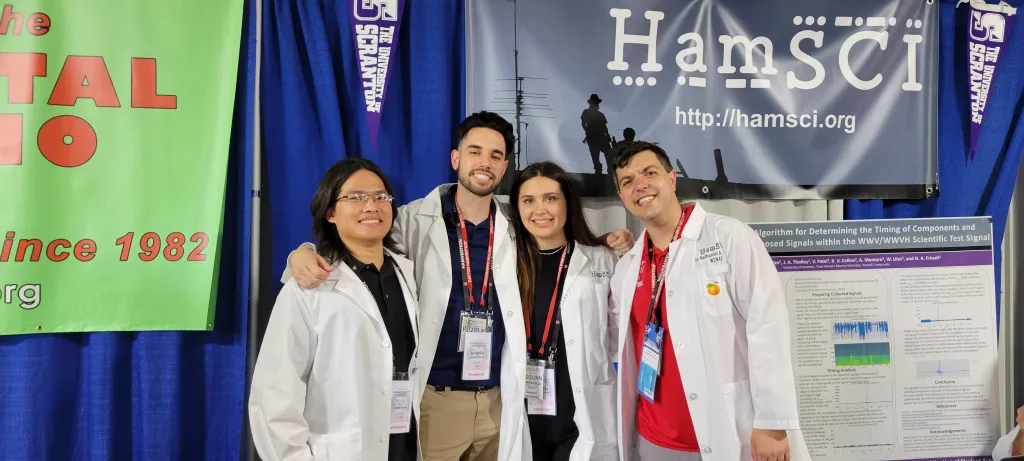
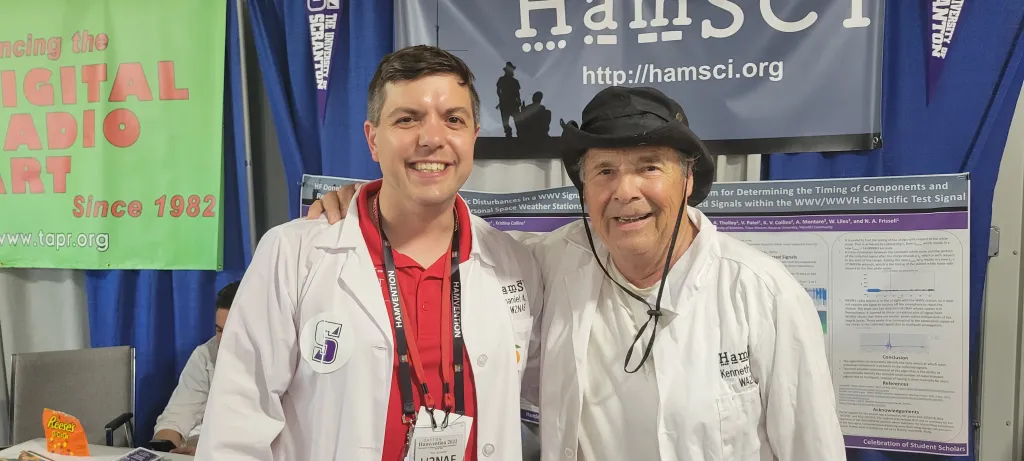
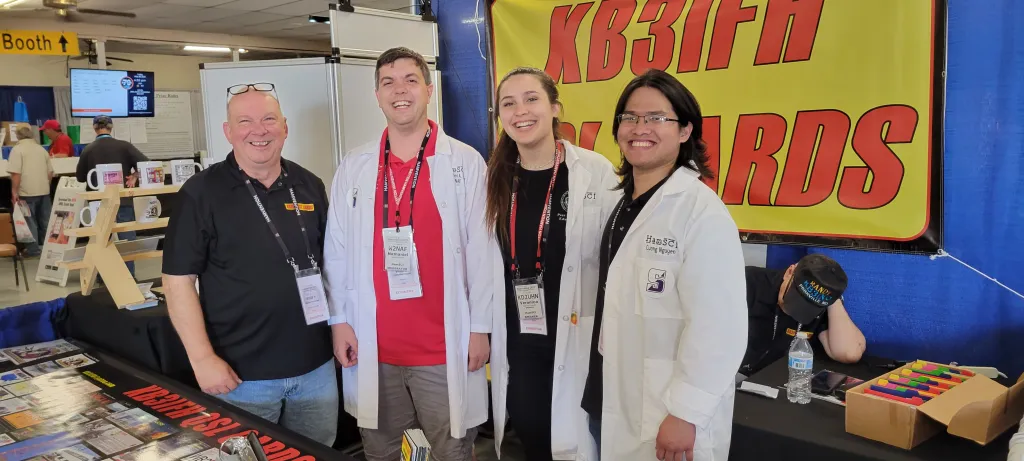
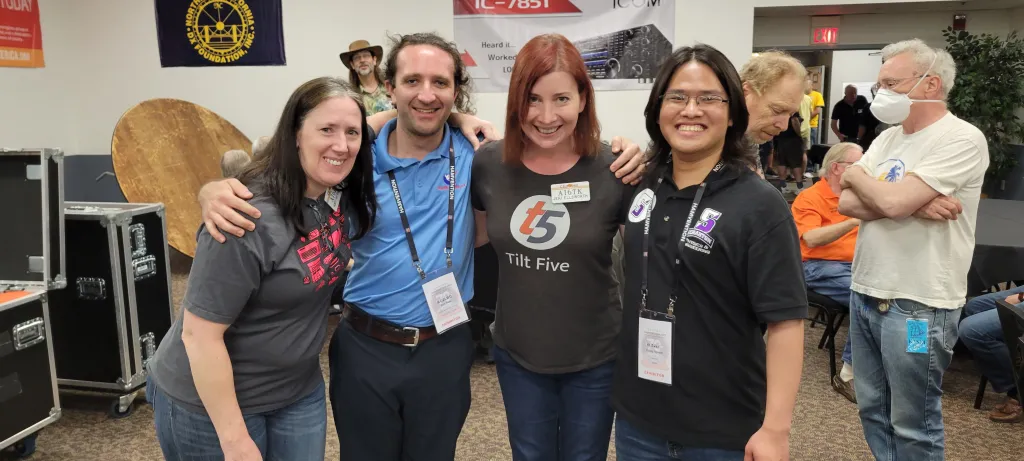
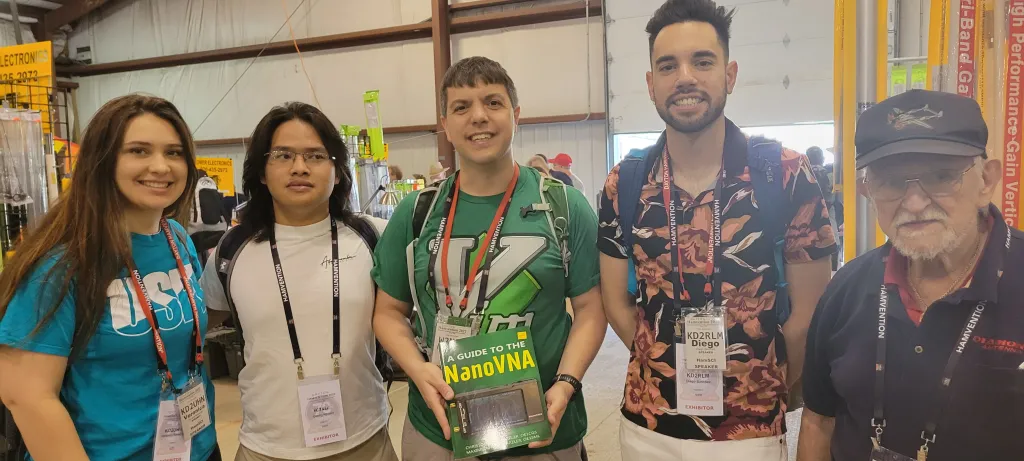
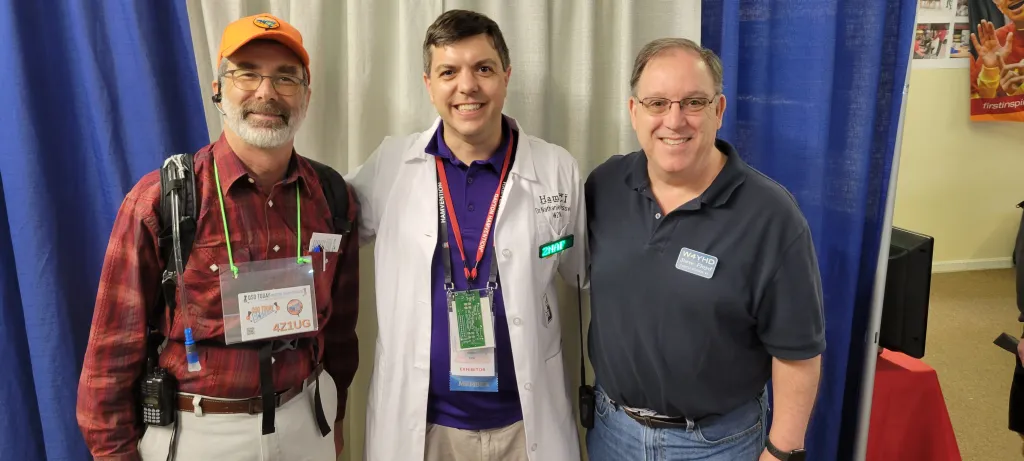
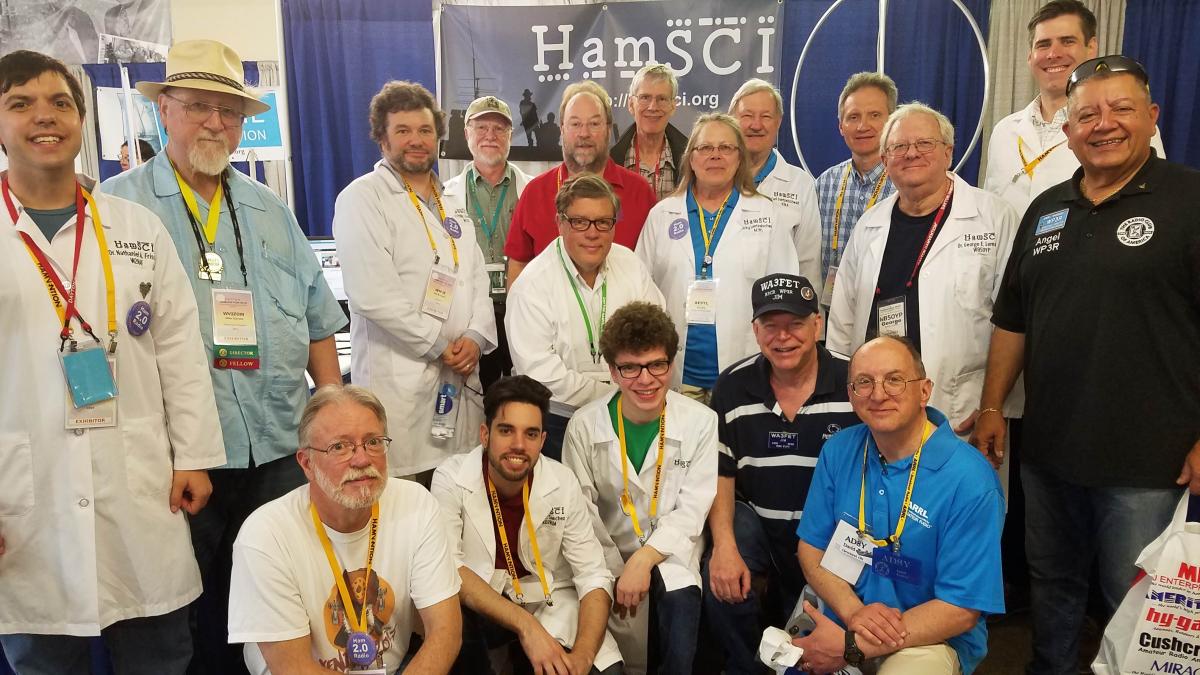
HamSCI Group Photo at the 2022 Hamvention

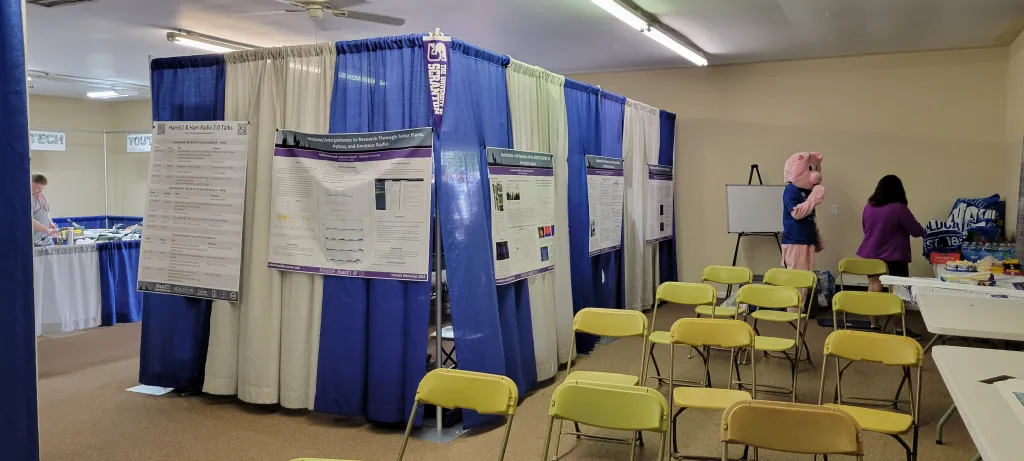
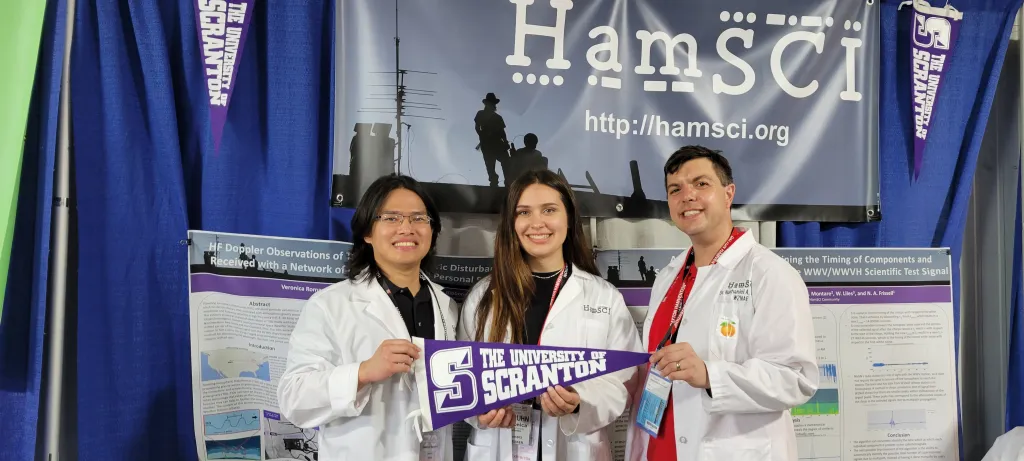
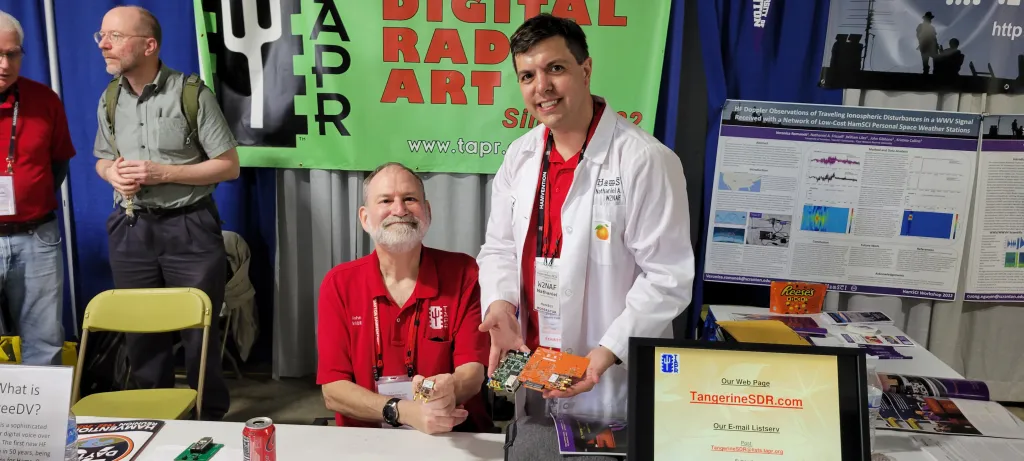
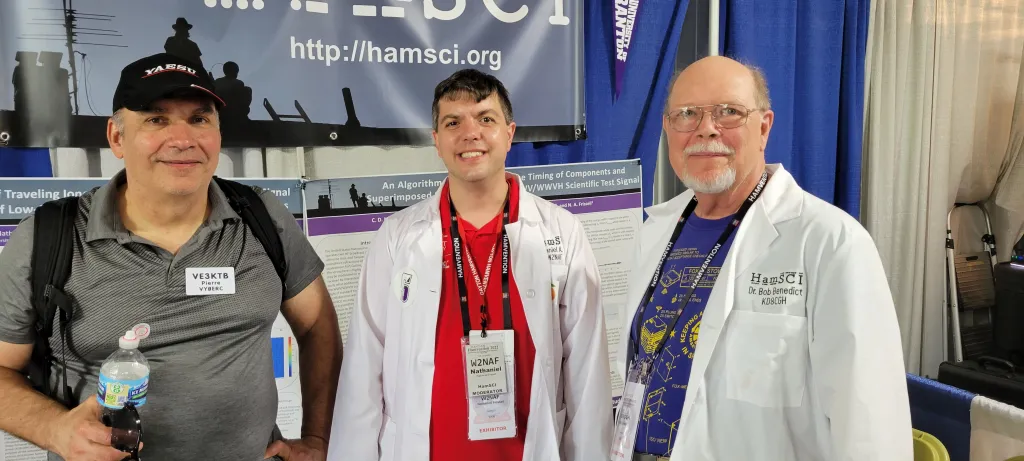
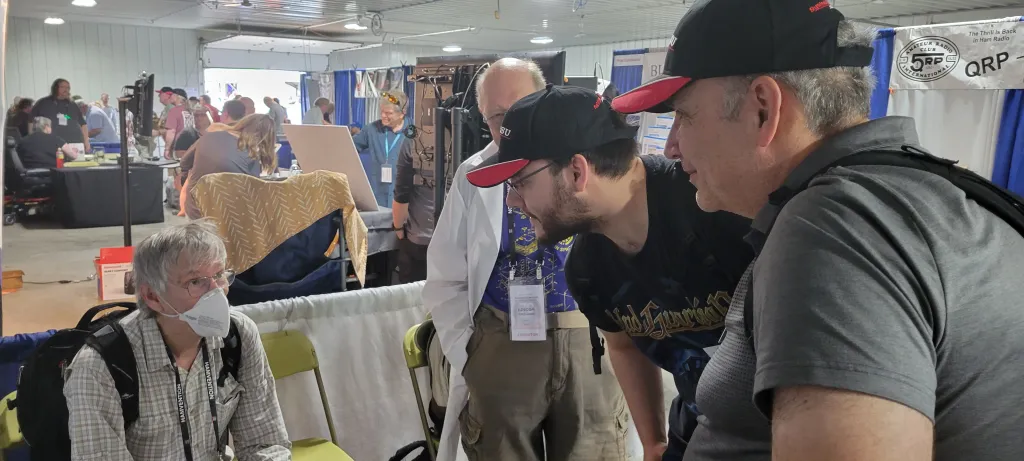
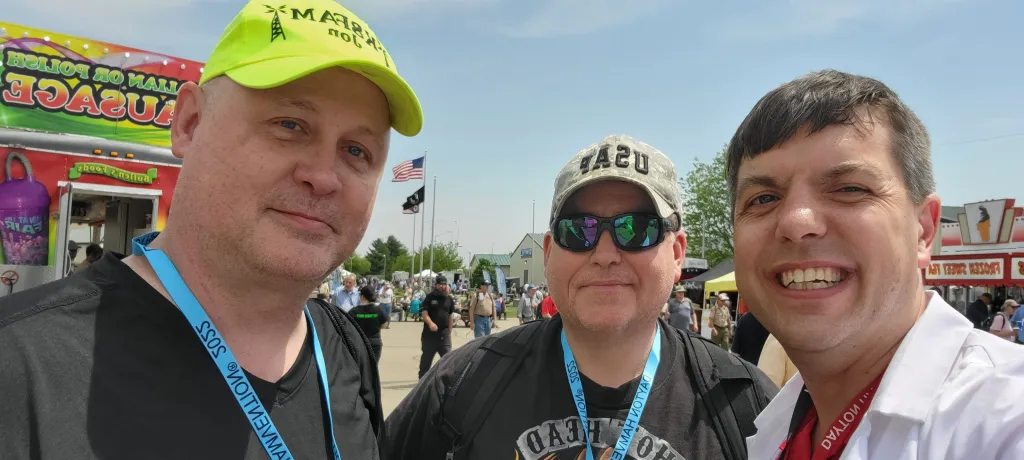
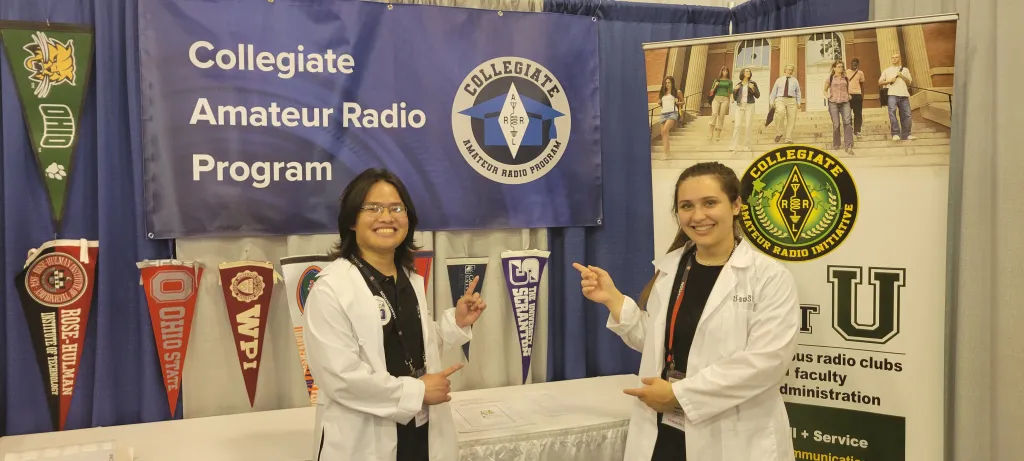
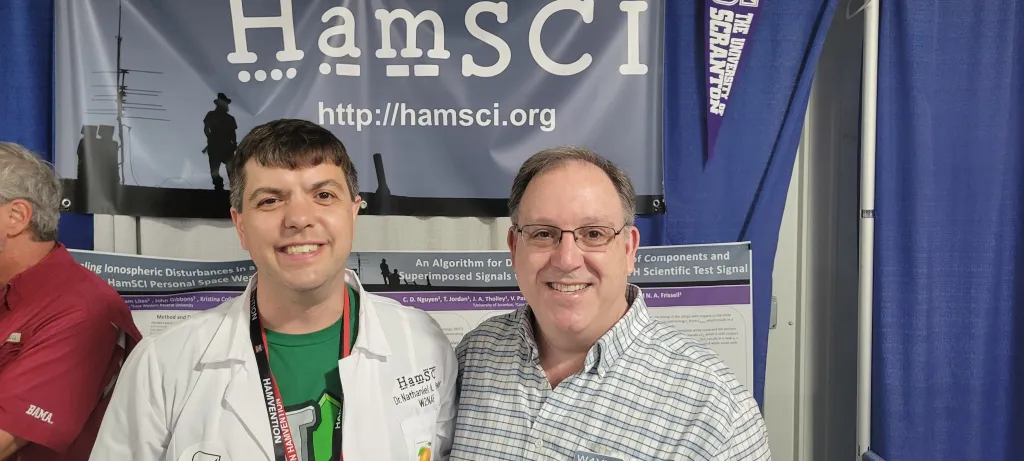
HamSCI played a major role at the 2022 Dayton Hamvention, which was held in Xenia, Ohio May 20-22, 2022 at the Green County Fairgrounds The Dayton Hamvention is sponsored by the Dayton Amateur Radio Association and is the world's largest ham radio gathering, with over 32,000 attendees at the 2019 Hamvention. The Hamvention is an extremely important event for engaging with the amateur radio community, sharing ideas, developing collaborations, and sharing scientific results. This year, HamSCI hosted a booth, gave presentations in the Ham Radio 2.0 area, and hosted a forum.

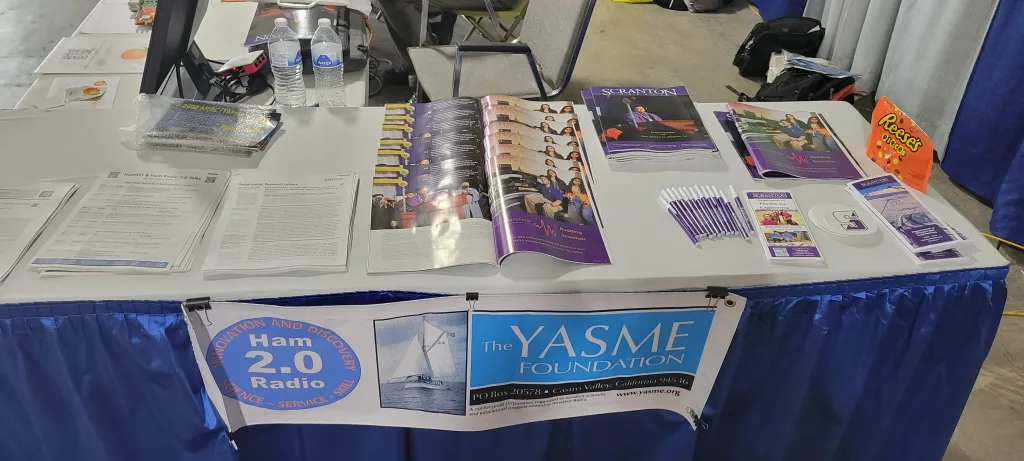
Support for the 2022 HamSCI Hamvention activities comes from The University of Scranton, the Yasme Foundation, TAPR, the National Science Foundation, NASA, and volunteers like you. This year, HamSCI will again host a booth in building 5 next TAPR, host booth talks in the Ham Radio 2.0 area, run demos, and the host HamSCI Forum.

Thank you to all who attended and participated in making HamSCI at the 2022 Dayton Hamvention a success!

HamSCI Presentations

Booth Talks

Booth talks include both HamSCI and Ham Radio 2.0 Talks and will take place at Booth 4303 in the Volta Building. If you would like to give a demonstration, please e-mail Nathaniel Frissell W2NAF at [email protected] Booth Talks

Friday, May 20, 2022 Group Title Presenter Organization Home QTH
11:00 AM HamSCI-50x11.png First Observations of Large Scale Traveling Ionospheric Disturbances Using Automated Amateur Radio Receiving Networks Nathaniel Frissell W2NAF The University of Scranton Scranton, PA
12:00 PM HR 2.0 Youth Social Hour YOTA R2 Team Youth on the Air Americas
1:00 PM HamSCI-50x11.png Propagation for Field Day 2022 Carl Luetzelschwab K9LA HamSCI Fort Wayne, IN
2:00 PM HR 2.0 Contest Dashboard Kyle Krieg, AAØZ   MO
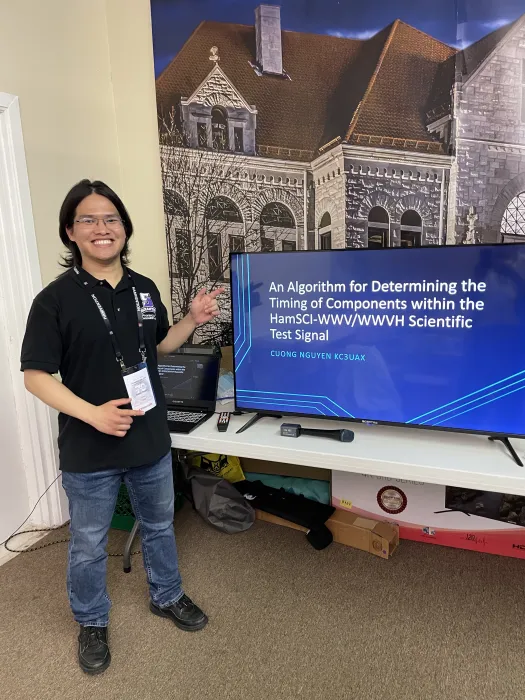
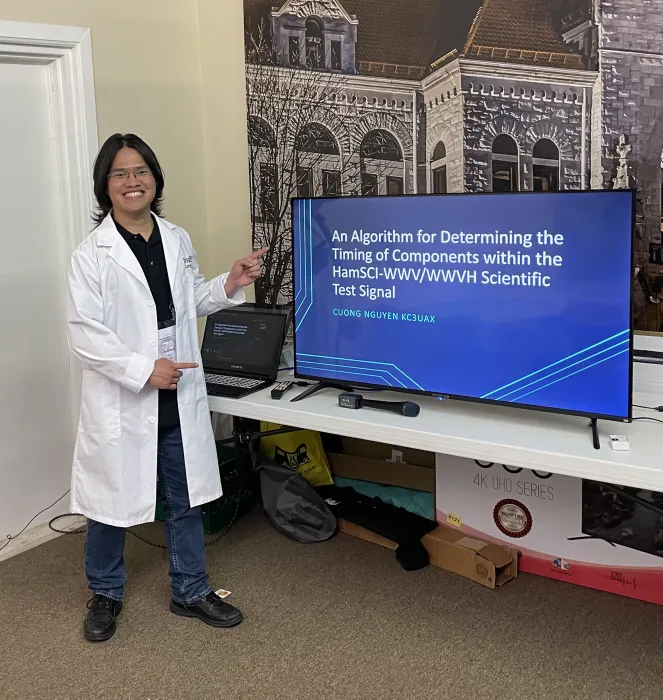
3:00 PM HamSCI-50x11.png An Algorithm for Determining the Timing of Components within the
HamSCI-WWV/WWVH Scientific Test Signal
Cuong Nguyen KC3UAX The University of Scranton Scranton, PA

Saturday Booth Talks

Saturday, May 21, 2022 Group Title Presenter Organization Home QTH
10:00 AM HR 2.0 Yasme Foundation Ward Silver, NØAX Yasme Foundation MO
11:00 AM HamSCI-50x11.png Plans for the Study the 2023 and 2024 Solar Eclipse Impacts on Radio and the Ionosphere Nathaniel Frissell, W2NAF The University of Scranton Scranton, PA
12:00 PM HR 2.0 Youth Social Hour YOTA R2 Team Youth on the Air Americas
1:00 PM HamSCI-50x11.png

The Grape PSWS: Past, Present and Future

John Gibbons, N8OBJ Case Western Reserve University Cleveland, OH
2:00 PM HR 2.0 Youth on the Air Camp - Americas YOTA R2 Team Youth on the Air Americas

HamSCI Forum

Saturday, May 21, 2022, 2:50 PM - 3:50 PM EDT, Forum Room 4
Saturday, May 21, 2022 Title Presenter Organization Home QTH
2:50 PM Traveling Ionospheric Disturbance Observations with the Grape Personal Space Weather Station Veronica Romanek, KD2UHN The University of Scranton Scranton, PA
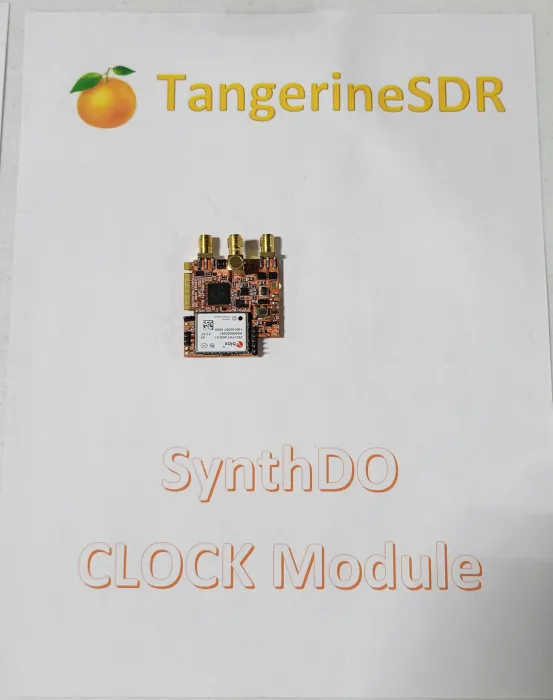
3:05 PM TangerineSDR Architecture and Hardware Update Scotty Cowling, WA2DFI TAPR Tempe, AZ
3:20 PM Climatology of Traveling Ionospheric Disturbances Observed with RBN and WSPRNet Diego Sanchez, KD2RLM New Jersey Institute of Technology Newark, NJ
3:35 PM Automatic Detection of Traveling Ionospheric Disturbances in RBN/WSPRNet/PSKReporter Data Using Machine Learning Bill Engelke, AB4EJ The University of Alabama Tuscaloosa, AL

Booth Location

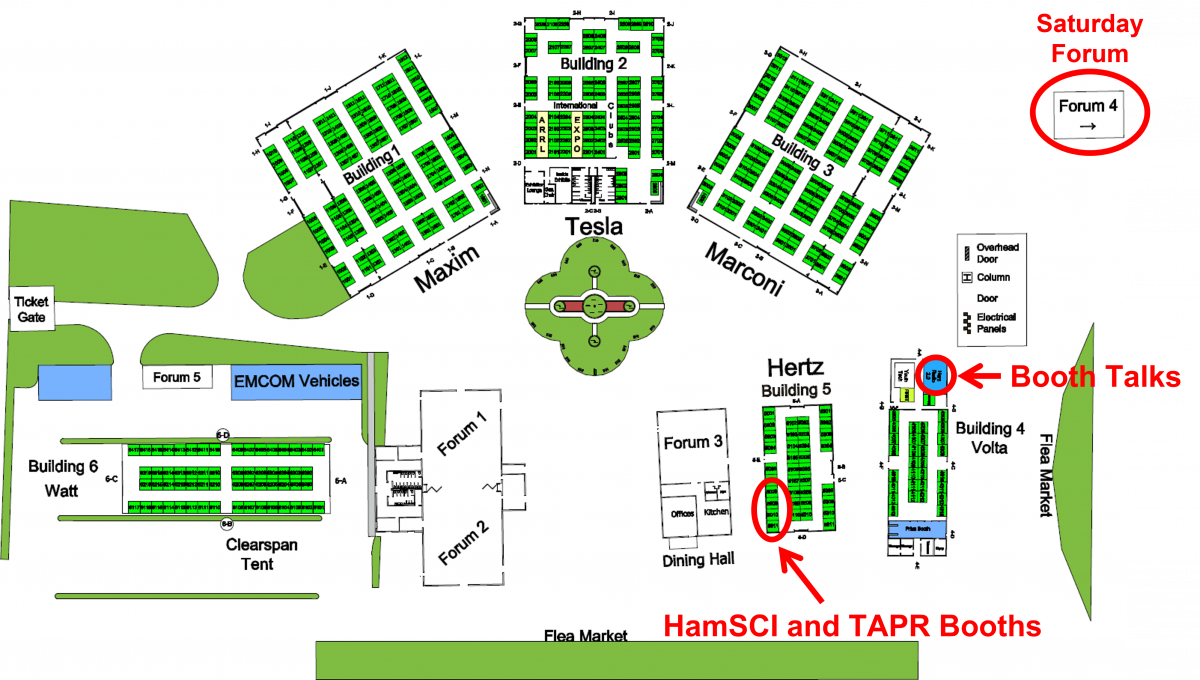
HamSCI will be at Booth 5008 next to TAPR in the Hertz Building (Building 5).

Map of HamSCI Activities at Hamvention 2022

Questions?

If you have questions, please contact Nathaniel W2NAF at [email protected].

Coherent CW

6 May 2022
 
The HamSCI group at Case Western Reserve University has been experimenting with GPS-synchronized coherent CW and recently had its first two-way local QSO and one-way distance decode (Philadelphia, PA to Cleveland, OH, about 540 km on a 40 meter daytime path).  Senior project students Olivia O'Brien KC3SXB, Carolina Whitaker KD9NKM, and Ryan Marks KN6RBK were supervised by David Kazdan AD8Y and John Gibbons N8OBJ in the work.  Ryan logged his first-ever QSO in the new mode, under Technician privileges of on-off radiotelegraphy on 40 meters.
 
Coherent CW is an information-theoretic implementation of radiotelegraphy, using tight send-receive synchronization to achieve improved signal to noise ratio in automatic signal reconstruction and, if desired, computerized decoding.  In some sense, it is the radiotelegraphy version of FT8, in using an integrating noise detection in well-defined time slots to determine presence or absence of signal.  Since it does not use frequency-shift keying to provide continuous maximum transmitted power (it's still on-off keying), the S/N ratio isn't as high as FT8's but it is still considerably higher than other telegraphy implementations.
 
Its original implementation was with analog signal processing, described by Raymond Petit W7GHM (SK).  In modern implementation, digital signal processing techniques may be used with minimal hardware addition to the CW transceiver.
 
The promises of fully-implemented GPS-synchronized CCW include:
 
    A facilitated entry point to HF operations for Technician licensees and others wanting to use CW while learning it or even without learning it (the FCC privileging for CW doesn't not require amateurs to have any skills at all in manual sending or by-ear decoding of the code).
 
    A new automated data collection mode for ionospheric sounding via HF QSOs that can be used by all licensed amateurs.  This will use a modern implementation of time-of-flight measurement through software phase-locked loop timing measurements, first implemented in the MS-DOS CCW programs COHERENT and PRECISION CW (PRECISION CW Software Download (qsl.net)).
 
    An easy add-on to relatively simple HF transceivers to permit use of a keyboard-to-keyboard conversational mode, with better decoding than unsynchronized systems such as fldigi.  The CW sending is standard Morse at well-defined speeds, however, and so it will retain compatibility with unsynchronized decoding systems.
 
    Watch this space!  We plan more work over the summer including collaboration with several QRP HF CW transceiver manufacturers.  Let us know if you would like to participate.
 
        73,
 
    David AD8Y

Hamvention 2022 HamSCI Team

Hamvention 2019 HamSCI Group Photo

HamSCI at Hamvention 2019

Overview

HamSCI will be present at the 2022 Dayton Hamvention in order to further its goal of connecting the ham radio and scientific communities. Support for the 2022 HamSCI Hamvention activities comes from The University of Scranton, the Yasme Foundation, TAPR, the National Science Foundation, NASA, and volunteers like you. This year, HamSCI will again host a booth in building 5 next TAPR, host booth talks in the Ham Radio 2.0 area, run demos, and the host HamSCI Forum. To help out, please sign up to volunteer at the booth or offer to give a booth talk.

Booth Volunteering

The 2022 HamSCI booth will be located at booth 5008 (next to TAPR). Please use sign up to volunteer at the booth using NeedToMeet. As a volunteer, we ask that you stand at the HamSCI booth and talk to booth visitors about HamSCI and your specific research interests. Feel free to bring demonstration items and materials and to talk about what you know best. The goal of HamSCI is to connect ham radio with scientific research. So, any topic that supports this goal is a good topic to talk about. The booth uniform are HamSCI labcoats, which can be purchased below.

Volunteer Sign-Up


Lab Coats

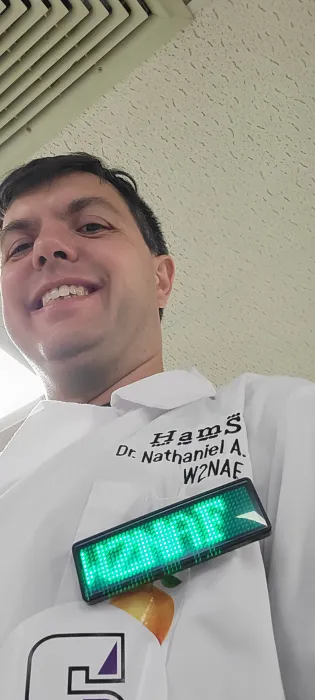
HamSCI labcoats may be ordered from https://www.allheart.com/lab-coats. Please use custom logo code C_5163_Q5D and place the logo on the left chest. Put your whole name on Line 1, and your call sign on Line 2. Use block style lettering.

Recommended Styles for 2022

Note that allheart.com changes their available styles on a regular basis. The important thing is to pick a white lab coat that fits you and put the custom logo code C_5163_Q5D and place the logo on the left chest.

Example Order

Natural Uniforms Unisex 41" Lab Coat
Item #: AH-8200---WHTLGE
Color: WHT White
Size: LGE
Personalization - Left Chest
  Embroidery Style: Block Style
  Thread Color: Black
  Letter Height: 1/2 inch (25 characters)
  Text Line #1: Dr. Nathaniel A. Frissell
  Custom Emblem: C_5163_Q5D
  Text Line #2: W2NAF

Exhibitor Badges

If you are volunteering at the booth or giving a talk, you can have an exhibitor badge. These badges give you full access to the Hamvention, including the set-up and break-down times. However, these badges will not enter you in the prize drawings the way a normal Hamvention ticket will. Please coordinate with Nathaniel Frissell W2NAF at [email protected].

Group Photo

A HamSCI group photo will be taken during the Hamvention on Friday at 12:00 PM at the HamSCI booth. Wear your labcoats!

HamSCI Presentations

Booth Talks

Booth talks include both HamSCI and Ham Radio 2.0 Talks and will take place at Booth 4303 in the Volta Building. If you would like to give a demonstration, please e-mail Nathaniel Frissell W2NAF at [email protected] Booth Talks

Friday, May 20, 2022 Group Title Presenter Organization Home QTH
10:00 AM HR 2.0        
11:00 AM HamSCI-50x11.png First Observations of Large Scale Traveling Ionospheric Disturbances Using Automated Amateur Radio Receiving Networks Nathaniel Frissell W2NAF The University of Scranton Scranton, PA
12:00 PM HR 2.0 Youth Social Hour YOTA R2 Team Youth on the Air Americas
1:00 PM HamSCI-50x11.png Propagation for Field Day 2022 Carl Luetzelschwab K9LA HamSCI Fort Wayne, IN
2:00 PM HR 2.0 Contest Dashboard Kyle Krieg, AAØZ   MO
3:00 PM HamSCI-50x11.png An Algorithm for Determining the Timing of Components within the
HamSCI-WWV/WWVH Scientific Test Signal
Cuong Nguyen KC3UAX The University of Scranton Scranton, PA

Saturday Booth Talks

Saturday, May 21, 2022 Group Title Presenter Organization Home QTH
10:00 AM HR 2.0 Yasme Foundation Ward Silver, NØAX Yasme Foundation MO
11:00 AM HamSCI-50x11.png Plans for the Study the 2023 and 2024 Solar Eclipse Impacts on Radio and the Ionosphere Nathaniel Frissell, W2NAF The University of Scranton Scranton, PA
12:00 PM HR 2.0 Youth Social Hour YOTA R2 Team Youth on the Air Americas
1:00 PM HamSCI-50x11.png

The Grape PSWS: Past, Present and Future

John Gibbons, N8OBJ Case Western Reserve University Cleveland, OH
2:00 PM HR 2.0 Youth on the Air Camp - Americas YOTA R2 Team Youth on the Air Americas

Demonstrations

Demonstrations will be at the HamSCI Booth 5008. If you would like to give a demonstration, please e-mail Nathaniel Frissell W2NAF at [email protected].

Friday Demonstrations

Friday, May 20, 2022 Title Presenter Organization Home QTH
9:00 AM - 12:00 PM        
1:00 PM - 5:00 PM        

Saturday Demonstrations

Saturday, May 21, 2022 Title Presenter Organization Home QTH
9:00 AM - 12:00 PM        
1:00 PM - 5:00 PM        

HamSCI Forum

Saturday, May 21, 2022, 2:50 PM - 3:50 PM EDT, Forum Room 4
Saturday, May 21, 2022 Title Presenter Organization Home QTH
2:50 PM Traveling Ionospheric Disturbance Observations with the Grape Personal Space Weather Station Veronica Romanek, KD2UHN The University of Scranton Scranton, PA
3:05 PM TangerineSDR Architecture and Hardware Update Scotty Cowling, WA2DFI TAPR Tempe, AZ
3:20 PM Climatology of Traveling Ionospheric Disturbances Observed with RBN and WSPRNet Diego Sanchez, KD2RLM New Jersey Institute of Technology Newark, NJ
3:35 PM Automatic Detection of Traveling Ionospheric Disturbances in RBN/WSPRNet/PSKReporter Data Using Machine Learning Bill Engelke, AB4EJ The University of Alabama Tuscaloosa, AL

Booth Location

HamSCI will be at Booth 5008 next to TAPR in the Hertz Building (Building 5).

Map of HamSCI Activities at Hamvention 2022


Questions?

If you have questions, please contact Nathaniel W2NAF at [email protected].

Grape v1 Hardware Description Published in Journal Hardware-X

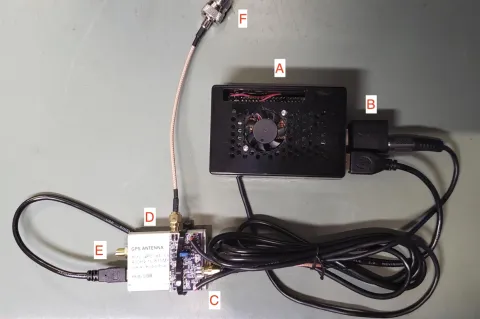
A description of the hardware of the Grape Version 1 Personal Space Weather Station by John Gibbons N8OBJ, Kristina Collins KD8OXT, David Kazdan AD8Y, and Nathaniel Frissell W2NAF was published in the journal Hardware-X, entitled Grape Version 1: First prototype of the low-cost personal space weather station receiver. The full paper is available from https://doi.org/10.1016/j.ohx.2022.e00289. Abstract: Crowd sourced data collection among the international community of amateur radio operators and shortwave listeners has great potential for addressing problems of under-sampling in the geospace system. Quantitative Doppler measurements of high frequency (HF) time standard stations, used in bottom side ionospheric sensing, have been accomplished using existing radio hardware belonging to volunteers in distributed campaigns. However, typical shortwave receivers cannot be put to ordinary use while these measurements are being taken, do not have standardized signal chains, and are generally too expensive to be purchased for the sole purpose of taking Doppler measurements. Here, we provide documentation for a low-cost intermediate frequency receiver, the Grape Version 1, which is designed specifically for measurements of North American time standard stations. Grape receivers can be easily constructed and deployed by amateur scientists in order to gain a deeper understanding of variations in radio propagation in their local environment. When compared over long periods and across distributed networks of stations, the resulting data yield insights on greater spatial and time scales. At the time of writing, several of these receivers have been deployed across the United States and are actively collecting data. These receivers form the first iteration of the Low-Cost Personal Space Weather Station network.

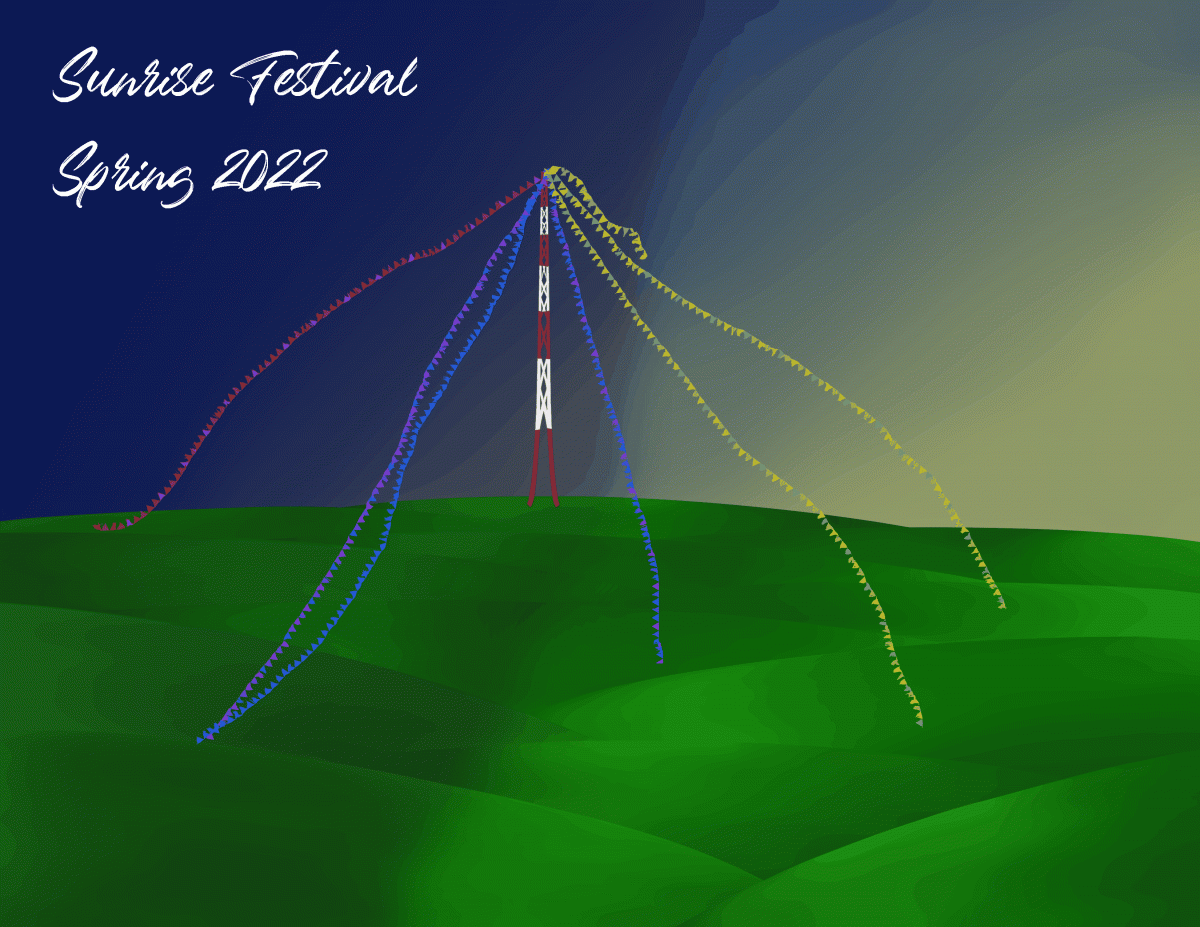
Spring 2022 Sunrise Festival: April 30-May 1, 2022

sunrisefest1.gif

Since November 15, 2021, radio stations WWV and WWVH have been transmitting a special signal for transmitter characterization and citizen science. The design process and parts of this signal are outlined at www.hamsci.org/wwv. In Spring 2022, we invite the amateur community to record and analyze this signal with us. 


The WWV/H Scientific Modulation Signal

Read more about the signal at https://hamsci.org/wwv.

Campaign Goals

  • Observe multipath propagation during sunrise
  • Conduct time of flight measurement using WWV/H tones
  • Incorporate amateur contesting structure into citizen science campaign
     

How to Participate

Join the mailing list for updates: https://groups.google.com/g/wwv-h_science

Sign Up:

Sign up for the contest with this form. (This is kept separate from data upload in order to protect personal information.) Make sure to get an ORCID so that we can cite your contributions!
Your callsign (or your ORCID, if you are unlicensed) will be used to tie the information in your signup form to the data you upload for the contest. 


Record Data

Make an audio or I/Q recording of the signal with your radio. Use AM detection, not USB or LSB. For the contest, we will be focusing on the 5 "golden hours" that the sun rises over North America: 0900 UTC, when it starts on the East Coast, to 1300 UTC, when it starts on the West Coast. 
Confirm that your filenames are in the correct format: "W8EDU_WWV_5MHz_2022-04-30_22-08_iq.wav". (If it is an audio file, replace iq with am). Use UTC time!
(Note: Unlike in previous campaigns, where we have recorded 1 kHz below the carrier to find Doppler shift, for this campaign you should set your local oscillator to the carrier frequency: e.g., 10 MHz rather than 9.999 MHz.)

Sampling rate: At least 8 kHz; higher if your receiver does not have a good sharp cutoff at 3 kHz. 

Preferred frequency: Whichever is easiest to receive at your QTH. If you're not sure which frequency to use, try 5 MHz. 

Each station should make multiple recordings of the characterization signal, each about a minute long: 0908 UTC (WWV), 0948 UTC (WWVH), 1008 UTC (WWV), 1048 UTC (WWVH), and so on. 

You may want to automate this process using a tool such as crontab or Windows Task Scheduler.

If you use cron, your crontab may look like this: (assuming a 2 minute recording, started 1 minute early)
$ 07 0-23 * * * (terminal command to record 2 minutes of audio or IQ data from your radio)
$ 47 0-23 * * * (terminal command to record 2 minutes of audio or IQ data from your radio)

Analyze Data

Analyze your data files using the Jupyter Notebook at https://github.com/KCollins/wwv-h-wg to determine the time of flight and multipath characteristics of your signal.
Note: This notebook is under development. Keep an eye on the github for updates to the notebook and instructions for its use. 

Upload Recordings

To upload a single recording, use this form (requires Google sign-in): 


To upload multiple recordings, create a spreadsheet in the same format as this one. (Where the link appears, list your filename There should be one filename for each row). 
Upload the spreadsheet, along with your files, to the upload page at https://hamsci.org/wwv#dataupload before May 3. 


Contest Points

All participants will receive QSL cards. The participant who receives the highest score (the "Earliest Bird") will receive a physical trophy commemorating the event from our sponsor, 3DMusic

Rankings will be determined based on the following point system:

  • 5 points for each .WAV recording made between 0000 UT on 30 April and 2359 UT on 1 May
  • 5 additional points for each recording made during the "golden hours" of  0900 UTC to 1300 UTC on 30 April or 1 May
  • 10 point bonus if all filenames are correctly formatted
  • 20 points for submitting a photograph of your station (these may be used in HamSCI materials in the future)
  • 10 points for submitting an original work of art about the Sunrise Festival (these may be used in HamSCI materials in the future)
  • 2 points for each signal analyzed with Jupyter Notebook

Early birds can start scoring points ahead of the event:

  • .5 points for each test recording made between 15 April and 30 April
  • Up to 20 points for submitting a copy of your experiment procedure, written for others to adapt and use, before 22 28 April. (Send to [email protected] with the subject line "Sunrise Festival Procedure".) These will be posted to the event page - see below.
  • Up to 20 points for developing additional signal processing in the form of a Jupyter Notebook, MATLAB script or Python script. (Consider forking from Github.) These will be posted to the event page - see below.

Points will be tallied on 4 May, and final rankings posted to this page. 


Code and Method Contributions

FAQ

Q: What about the Eclipse Festivals?
A: While there is a partial solar eclipse the weekend of the campaign, the path of totality isn't conducive to data collection. It's still a good time for a campaign, though, which is why we're using it as an opportunity to examine the test signal.

Q: I haven't used Python before. How do I get started with Jupyter Notebook?
A: The Jupyter Notebook used in this project is available via Binder, and can be run in a browser. If you would like to run Jupyter Notebook on your local computer, check out the documentation at https://jupyter.org/.

Q: Are audio .wav or IQ .wav files preferred? It seems like either file format is OK. But as far as I can tell, the Jupyter notebook only accepts IQ files.
A: I/Q is preferred, but an audio recording should be fine. The Jupyter notebook is still a work in progress; keep an eye on the Github page for updates that allow for audio as well as I/Q processing, hopefully by 4/22. 

Q: Since I'm just automatically recording the spectrum, the band may or may not be open at that time. Are we supposed to verify signal in the files before uploading? I'm not sure how to verify an IQ file without running the python notebook on it.
A: You'll get credit for the recording even if there's no signal. This is for two reasons: (1) it can be possible to correlate the test signal with the recorded signal even if the test signal isn't very audible, and (2) and a negative result is still a result.  We hope to put in a user input for whether the signal is audible or not, though. Time permitting. 

Q: Is there a method for bulk processing/uploads? 5 files from WWV + 4 files from WWVH * 24 hr/day = a lot of files (and most of them will probably have no signal). Should we also upload the results.json? I can also post to a web server.
A: We don't have bulk processing available in the Jupyter notebook yet, but that is also on the list. For the most part, it's probably best to hang onto your files and then process/submit them at the end of the contest, along with their respective .json files. In the meantime, we appreciate notes on the data processing code. For bulk uploads, see the instructions above.

Media Mentions

  • QST Magazine, "Strays," April 2022 issue
Traveling Ionospheric Disturbances Observed by Amateur Radio Published in Geophysical Research Letters

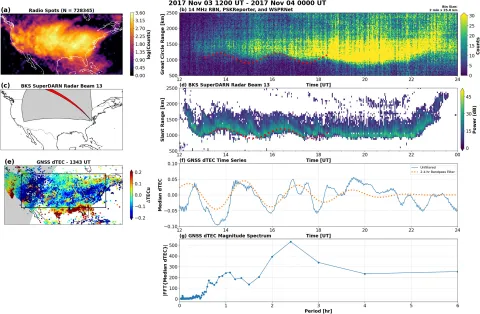
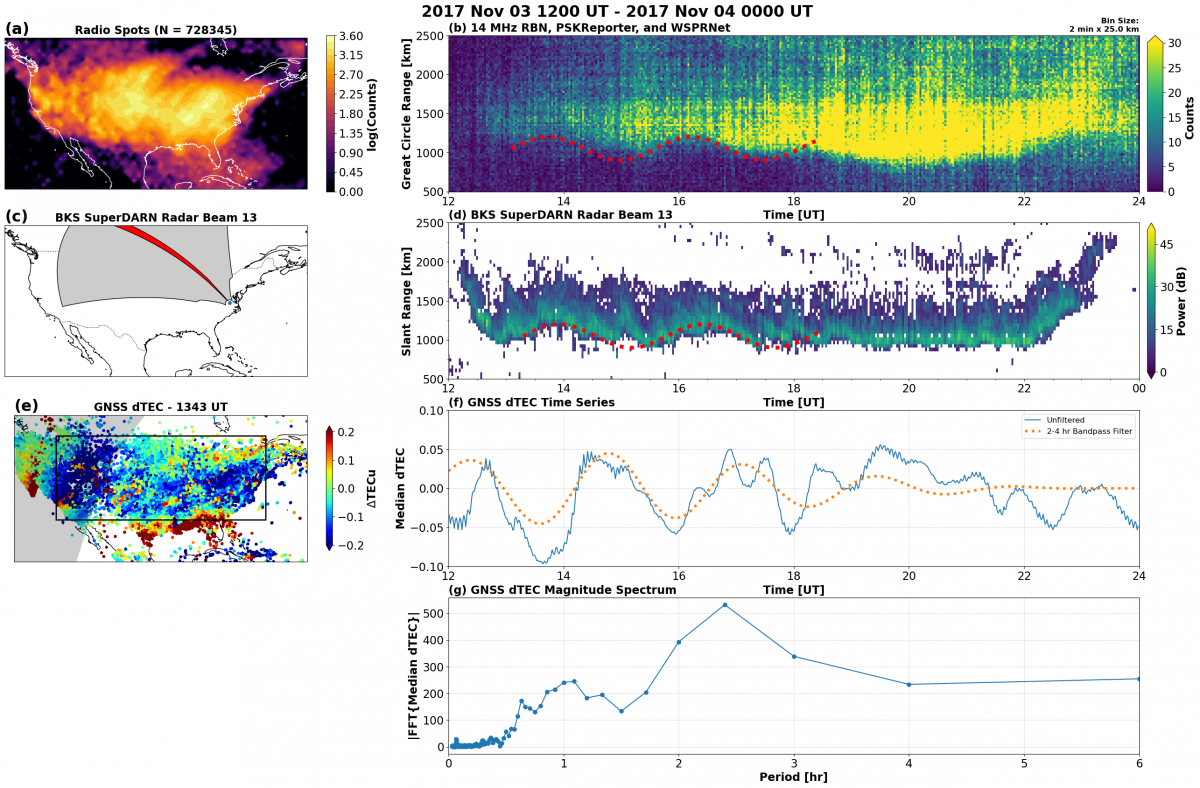
A team of HamSCI researchers led by Nathaniel Frissell W2NAF just published a new article, First Observations of Large Scale Traveling Ionospheric Disturbances Using Automated Amateur Radio Receiving Networks, in the American Geophysical Union journal Geophysical Research Letters. The article looks at an event from November 3, 2017 to demonstrate how a large-scale disturbance moving through the ionosphere can affect the communications distances on the 14 MHz (20 m) amateur radio band. On this day, a 2.5 hour oscillation could be seen in the minimum distance of 14 MHz contacts recorded by the Reverse Beacon Network (RBN), Weak Signal Propagation Reporter Network (WSPRNet), and PSKReporter. These same oscillations were also seen by the Blackstone, Virginia SuperDARN radar, and in measurements of ionospheric total electron content measured by a global network of fixed-position GPS/GNSS receivers. Using measurements from a radar and ground magnetometers in the auroral zone, it is shown that these disturbances are likely due to ionospheric heating and electron particle precipitation due to auroral activity. This activity can create waves in the neutral atmosphere that can propagate down to the United States region and couple with the ionosphere to create the disturbances. The complete article is available at https://doi.org/10.1029/2022GL097879.
Introduction to research through ham radio


Context

Audience

This project is designed for first-year college students. It would be appropriate for anyone interested in learning the basics of scientific research/writing. It is geared towards individual(s) with an interest in space physics or ham radio, although it provides valuable skills to anyone just starting in research. 

Skills

This project is designed for individual(s) with basic coding skills. Python 3 is used in this project. Understanding of space physics and/or ham radio is useful, but definitely not needed.

Activity Time

This project may be folded into an existing course, or could be covered as a stand-alone project. I would budget about 6 to 7 weeks of class time for this project. 

Goals

Content/concepts goals for this activity

By the end of the project, the students should

  • Have a better understanding of space physics 
  • Understand tools that researchers employ - this project uses Python to analyze ham radio data and satellite data 
  • Having a working knowledge of manipulating the JupyterLab notebooks to form conclusions about the data.
  • Write finding up in a scientific paper and give an oral talk on their findings. 

Description and Teaching Method

  • Step 1: Students were tasked to find a scientific paper in the filed of space physics. Working with a partner, they read the article and gave a presentation on the article. It was required to be a peer-reviewed article. The skills learned from this step included finding scientific research articles, distinguishing between news articles and peer-reviewed publications as well as provided an introduction to the field of space physics
  • Step 2: We discussed what ham radio is. As many students are not licensed operators, we had them listen to KiwiSDRs. They were to identify the call signs of at least 5 different contacts. We spent about 20 minutes in class working on this. If this is a class activity, please note that each station has a limited number of listeners (only 4 per station). This was not a problem as there are many stations out there. The skills learned in this step is to better understand what ham radio is, as well as, actually hear what contacts sound like. 
  • Step 3: (Optional - but beneficial) Have a qualified expert in the field give a presentation on space physics discussing solar flares, radio black-outs, the ionosphere, and different measurement techniques space physics use to understand the atmosphere. The skills learned here is additional background. If no speaker is available, there are multiple YouTube videos that can be shown. Approximate time would be 1 hour. 
  • Step 4: Complete the JupyterLab plotting worksheet. This is included on the webpage. This walks students through the basics of plotting in python. The skills learned from here are a review of python skills and understanding the nuisances of plotting in python. 
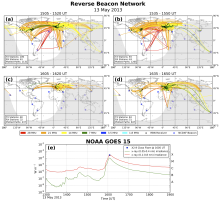
  • Step 5: We provided the students with processed JupyterLab notebooks.  The templates included a summary plot of GOES-15 data. Here students could identify and label solar flares from the time spans of: May 2013, April 2014 or May 2015. Once a solar flare was identified, they would be given the corresponding JupyterLab notebook that had the amateur radio data to analyze (note the amateur radio data was obtained from WSRPNet and RBN). The goal was to see how a solar flare led to a radio blackout. The students would change the dates in the JupyterLab notebook to focus in on their chosen flare. These plots were the building blocks of the scientific paper they were to write. The skills learned here included analyzing and drawing conclusions from data. If this activity is used with advanced coders, I would suggest to start with the raw data.
  • Step 6:The students use the Overleaf template to write their findings. They need to properly cite any references used. They also gave an oral talk on their findings. 

Teaching Notes and Tips

This was incorporated into a 100 level physics and engineering course (fall 2021). The project was introduced at the start of the semester and scattered throughout. In the future, I would block off about 6-weeks to complete this project. 

While this project is heavily based in space physics, I do think the topic can be changed while keeping the same structure. I would budget for about 2 to 3 weeks of prep time to introduce a new topic. 

Assessment

I assessed the students on their paper and presentation. The students were allowed to work independently or as a team. 

Acknowledgements

Special thank you to Dr. Nathaniel Frissell and Prof. Nicholas Truncale who taught additional sections in the fall of 2021 with me. 

Attachments

Overleaf Research Paper Template

GOES- 15 satellite summary JupyterLab notebook

May 2013, April 2014, and May 2015 amateur radio data with corresponding Excel spread-sheets

HamSCI PowerPoint template for a research presentation

HamSCI 2022 Program

Posters and presentations at the HamSCI workshop are made for community discussion and for exploration of new possibilities. Please note that these materials are not peer-reviewed.

Main workshop page: http://hamsci.org/hamsci2022
HamSCI Glossary

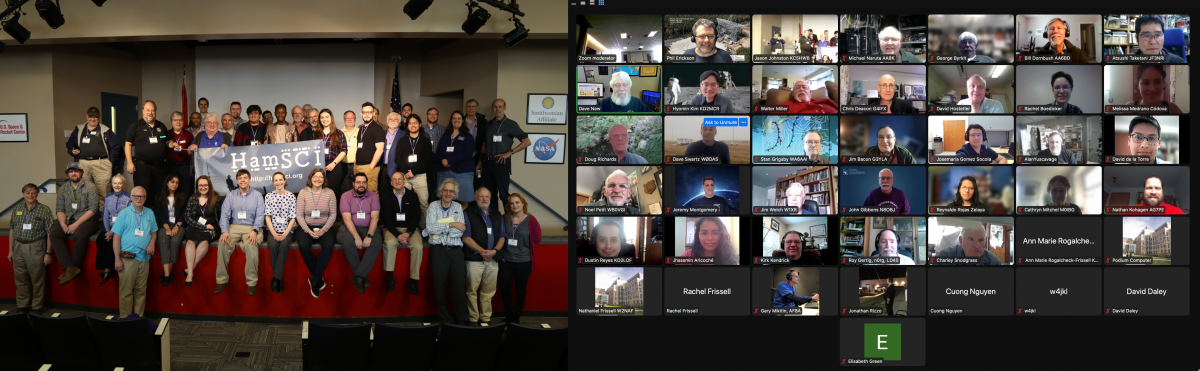
hamsci_2022_group.jpg

Google Drive with Presentation Files

Photo Album of Workshop

Click here for the full HamSCI 2022 Workshop playlist on YouTube by KC5HWB/Ham Radio 2.0.

Friday, March 18, 2022

Central Daylight Time UTC NR Title Presenter Organization Modality
7:00 AM CDT 1200z  

Registration & Continental Breakfast


Opening Remarks & Oral Session I
Chairs: Veronica Romanek KD2UHN & Alex Calderon
Zoom Moderators: Cuong Nguyen & Diego Sanchez KD2RLM

8:15 AM CDT 1315z  

Opening Remarks / Webinar Opens

  • Nathaniel Frissell W2NAF
  • Bill Engelke AB4EJ
     
8:30 AM CDT 1330z O01 TangerineSDR Architecture and Hardware Update Scotty Cowling WA2DFI TAPR In-Person
8:50 AM CDT 1350z O02 Hardware Design of the Grape2 Data Collection Sequencing Engine John Gibbons N8OBJ Case Western Reserve University Virtual
9:10 AM CDT 1410z O03 Allan Deviation Analysis of WWV Doppler Shift Measurements recorded with the HamSCI Grape 1 Receiver Michael Lombardi K0WWX National Institute of Standards and Technology In-Person
9:30 AM CDT 1430z O04 WWV/H Scientific Modulation Working Group: Designing for Citizen Science Kristina Collins KD8OXT Case Western Reserve University In-Person
9:50 AM CDT 1450z O05 Preliminary Analysis of WWV Experimental Tone Signals Bill Liles NQ6Z HamSCI Community In-Person
10:10 AM CDT 1510z  

Coffee Break


Oral Session II
Chairs: Simal Sami & Cuong Nguyen
Zoom Moderators: Shaaf Sarwar KC3PVF & Diego Sanchez KD2RLM

10:30 AM CDT 1530z O06 VLF LEAF Module for the Tangerine SDR HamSCI Workshop 2022 Progress Update

Jonathan Rizzo KC3EEY

HamSCI Community Virtual
10:50 AM CDT 1550z O07 Broadband Loop Antennas and Preamplifiers for Receiving VLF to HF David McGaw N1HAC Dartmouth College In-Person
11:10 AM CDT 1610z O08 Autonomous Ground Magnetometer Station Using DRV425 Fluxgates Jimmy Raeder University of New Hampshire In-Person
11:30 AM CDT 1630z O09 Three Time-of-Flight Measurement Projects on a Common Hardware Platform David Kazdan AD8Y Case Western Reserve University In-Person
11:50 AM CDT 1650z O10 Consolidated Amateur Radio Reports as Indicators of Intense Sporadic-E Layers Chris Deacon G4IFX University of Bath Virtual
12:10 PM CDT 1710z O11 Contrasting effects of the 3-5 November 2021 geomagnetic storm on reception in Colorado of WSPR transmissions from North-Eastern North America with those from Australia Gwyn Griffiths G3ZIL HamSCI Community Virtual
12:30 PM CDT 1730z  

Lunch


Oral Session III
Chairs: Diego Sanchez KC2RLM & Francis Tholley
Zoom Moderators: Shaaf Sarwar KC3PVF & Veronica Romanek KD2UHN

1:30 PM CDT 1830z O12 An Investigation of Enhanced Summertime 7MHz trans-Pacific Propagation

Larry Serra N6NC

Southern California Contest Club Virtual
1:50 PM CDT 1850z O13 Detecting Large Scale Traveling Ionospheric Disturbances using Feature Recognition and Amateur Radio Data  William Engelke AB4EJ University of Alabama In-Person
2:10 PM CDT 1910z O14 Short-Term Variability Associated with 20 Meter Sequential Matched WSPR Observations: A Statistical Exploratory Study Bob Gerzoff WK2Y Applied Statistical Consulting Virtual
2:30 PM CDT 1930z O15 Using the ARISS radio systems on ISS for HamSCI Frank Bauer KA3HDO ARISS-USA In-Person
2:50 PM CDT 1950z O16 NASA/HPD/Space Weather/Citizen Science Programs Contributions to the HamSCI Workshop  Esayas Shume NASA Heliophysics Division In-Person
3:10 PM CDT 2010z O17 Lightning Research at NASA's Marshall Spaceflight Center Monte Bateman WB5RZX University of Alabama in Huntsville In-Person
3:30 PM CDT 2030z   Coffee Break with Snacks      

Oral Session IV
Chairs: Shaar Sarwar KC3PVF & Kristina Collins KD8OXT
Zoom Moderators: Veronica Romanek KD2UHN & Simal Sami

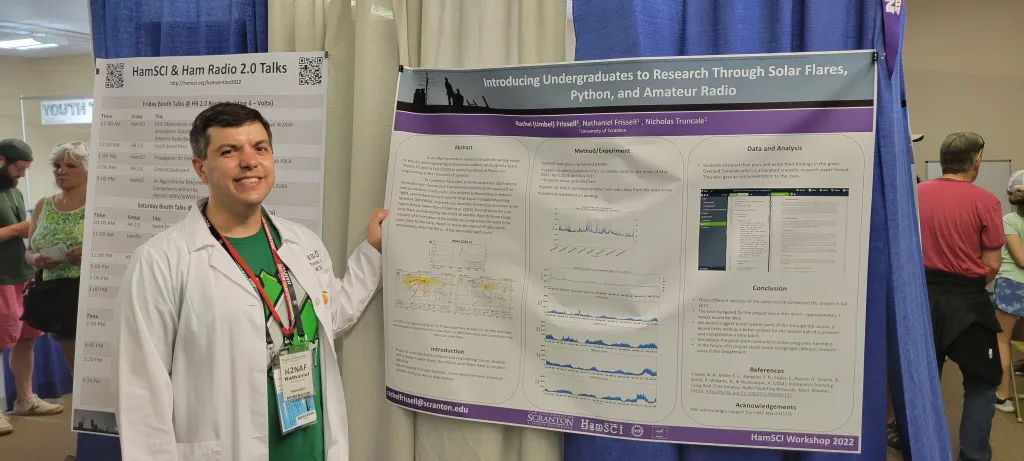
3:50 PM CDT 2050z O18 Introducing Undergraduates to Research Through Solar Flares, Python, and Amateur Radio Rachel Frissell W2RUF University of Scranton In-Person
4:10 PM CDT 2110z O19 AM Broadcast Signals Observed at South Pole James LaBelle Dartmouth College In-Person
4:30 PM CDT 2130z O20 Viability of Nowcasting Solar Flare-Driven Radio-Blackouts Using SuperDARN HF Radars Shibaji Chakraborty KN4BMT Virginia Tech Virtual
4:50 PM CDT 2150z O21 On the Use of High Frequency Surface Wave Oceanographic Research Radars as Bistatic Single Frequency Oblique Ionospheric Sounders Stephen Kaeppler AD0AE Clemson University Virtual
5:10 PM CDT 2210z O22 PHaRLAP: Provision of High-Frequency Raytracing Laboratory for Propagation Studies Manny Cervera  Australian Department of Defence Virtual
5:30 PM CDT 2230z O23 Ray Tracing in Python Utilizing the PHaRLAP Engine Alex Calderon University of Scranton In-Person
5:50 PM CDT 2250z   Day 1 Closing Remarks Nathaniel Frissell W2NAF University of Scranton In-Person

Friday Night Banquet
Huntsville Marriott at the Space & Rocket Center

Chair: Nathaniel Frissell W2NAF
Zoom Moderators: Cuong Nguyen & Simal Sami

6:30 PM CDT 2330z   Banquet Begins      
7:30 PM CDT 0030z   KEYNOTE ADDRESS: Ham Radio and the Discovery of the Ionosphere Chen-Pang Yeang University of Toronto Virtual


Saturday, March 19, 2022

Central Daylight Time UTC NR Title Presenter Organization Modality
7:00 AM CDT 1200z  

Registration & Continental Breakfast


Invited Tutorials
The Weather Connection

Chair: Nathaniel Frissell W2NAF
Zoom Moderators: Veronica Romanek KD2UHN & Francis Tholley

8:45 AM CDT 1330z  

Opening Remarks / Webinar Opens

         
    9:00 AM CDT 1400z T01 INVITED TUTORIAL: Evaluation of Links Between Terrestrial Weather and Sporadic-E Jim Bacon G3YLA HamSCI Community Virtual
    9:45 AM CDT 1445z T02 INVITED TUTORIAL: The Ionospheric Impacts of Space Weather and our Heightened Awareness of its Effects on Society Tamitha Skov WX6SWW Aerospace Corporation and Millersville University In-Person
    10:30 AM CDT 1530z  

    Coffee Break


    Poster/Demo Session Overview
    Chair: Kristina Collins KD8OXT
    Zoom Moderators: Phil Erickson W1PJE

    11:00 AM CDT 1600z P01 The Radio JOVE Project 2.0 Chuck Higgins Middle Tennessee State University In-Person
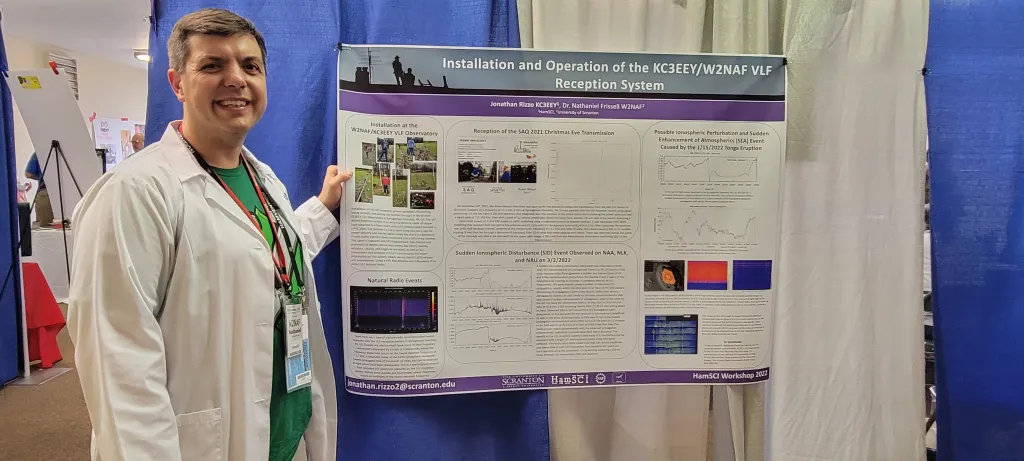
        P02 Installation and Operation of the KC3EEY/W2NAF VLF Reception System Jonathan Rizzo KC3EEY HamSCI Community Virtual
        P03 HF Doppler Observations of Traveling Ionospheric Disturbances in a WWV Signal Received with a Network of Low Cost HamSCI Personal Space Weather Stations Veronica Romanek KD2UHN University of Scranton In-Person
        P04 An Algorithm for Determining the Timing of Components within the HamSCI-WWV/WWVH Scientific Test Signal Cuong Nguyen University of Scranton In-Person
        P05 An Overview of Oblique Soundings from Chirp Ionosondes Simal Sami University of Scranton In-Person
        P06 Mid-latitude Irregularities Observed by the Oblique Ionosonde Sounding Mode for the HamSCI Personal Space Weather Station Dev Raj Joshi KC3PVE University of Iowa In-Person
        P07 ScintPi: Scintillation and Total Electron Content (TEC) Monitors for Distributed Observations, Education and Citizen Science Initiatives Josemaria Gomez Socola University of Texas at Dallas Virtual
        P08 Opportunities for Research and Education with a Small Radio Telescope Shaaf Sarwar KC3PVF University of Scranton In-Person
        P09 Evaluation of Techniques to Better Separate and Utilize Astronomical Radio Telescope Signals from those Due to Disturbances in the Ionosphere Robert Spalletta KC3QOB University of Scranton In-Person
        P10 Climatology of Large Scale Traveling Ionospheric Disturbances Observed by HamSCI Amateur Radio with Connections to Geospace and Neutral Atmospheric Sources Diego Sanchez KD2RLM New Jersey Institute of Technology In-Person
        P11 Porting the MUSIC Algorithm to the SuperDARN pyDARN Library for the Study of Traveling Ionospheric Disturbances Francis Tholley  University of Scranton In-Person
        P12 Demonstration of Ray Tracing in Python Utilizing the PHaRLAP Engine Alex Calderon University of Scranton In-Person
        P13 Potential Science Opportunities for HamSCI in Antarctica Gareth Perry KD2SAK New Jersey Institute of Technology In-Person
        P14 Magnetosphere-Ionosphere Coupling Studies Using the PSWS Magnetometer Network Hyomin Kim KD2MCR New Jersey Institute of Technology Virtual
        P15 SMART -- Expanding Array of Low Cost Magnetometers Noel Petit WB0VGI Augsburg University  Virtual
        P16 Properties and Drivers of Plasma Irregularities in the High-Latitude Ionosphere Computed using Novel Incoherent Scatter Radar Techniques Lindsay Goodwin  New Jersey Institute of Technology and University Corporation for Atmospheric Research In-Person
        P17 Forecasting Spread F at Jicamarca Reynaldo Rojas Zelaya Universidad de Ingeniería y Tecnología (Peru) Virtual
        P18 Modeling Ionograms with Deep Neural Networks: Applications to Nowcasting Jhassmin Aricoché Universidad Nacional Del Callao (Peru) Virtual
        P19 Geomagnetic Indices and The Ring Current Matthew Cooper New Jersey Institute of Technology In-Person
        P20 Introducing Undergraduates to Research Through Solar Flares, Python, and Amateur Radio Rachel Frissell W2RUF University of Scranton In-Person
        P21 The North Dakota Dual Aurora Camera (NoDDAC), A Student-led Citizen Science Project: Data Showcase, Future Developments, and Scientific Potential Vincent Ledvina University of North Dakota In-Person
        P22 Lightning Protection for the Radio Amateur Monte Bateman WB5RZX University of Alabama in Huntsville In-Person
        P23        
        P24 Moonbased Ham Repeater Station Project  Carlos Mascareñas EA7GWJ University of Cádiz (Spain) Virtual
        P25 40-m Domestic Propagation at November 2022 at FT8 QSO Party in Japan Atsushi Taketani JF3NRI  Niiza City Amateur Radio Club In-Person
        P26 Ionosphere Plasma Density Estimation by Ray Tracing Optimization David de la Torre Pontifical Catholic University of Peru Virtual
    12:30 PM CDT 1730z  

    Virtual Poster Discussion for Online Participants

    • Chair: Phil Erickson, W1PJE
         
    12:30 PM CDT 1730z  

    Lunch

     
    1:30 PM CDT 1830   Poster and Demo Session      
    3:00 PM CDT 2000z   Coffee Break with Snacks      
    5:15 PM CDT 2115z   Closing Remarks Nathaniel Frissell W2NAF University of Scranton  
    6:15 PM CDT 2315z   Reception at Marriott      


    Sources and Measurement of Traveling Ionospheric Disturbances

    Introduction

    Traveling Ionospheric Disturbances (TIDs) are variations in the ionosphere that can impact medium frequency (MF) and high frequency (HF) radio communications through fading (QSB) and by causing variations in communications distance. HamSCI has two funded projects for studying TIDs and their connection to the atmosphere and space.

    Science and Research Questions

    • Are TIDs with sources in the lower atmosphere are caused by secondary or tertiary AGWs that reach the thermosphere due to a multistep vertical coupling paradigm?
    • What  percentage of observed TIDs correlated with geomagnetic activity what percentage are not?
    • What is the TID longitudinal dependence on 2D stratospheric polar vortex configuration?
    • To what extent can data from amateur radio fill TID observational gaps and be scientifically useful?
    • To what extent will the use of advanced, physics-based whole atmospheric models in conjunction with observations improve our capacity to study the science of TIDs?

    Publications

    • Frissell, N. A., Kaeppler, S. R., Sanchez, D. F., Perry, G. W., Engelke, W. D., Erickson, P. J., Coster, A. J., Ruohoniemi, J. M., Baker, J. B. H., West, M. lou. (2022). First Observations of Large Scale Traveling Ionospheric Disturbances Using Automated Amateur Radio Receiving Networks. Geophysical Research Letters (Under Review). https://doi.org/https://doi.org/10.1002/essoar.10510169.1

    Project 1

    Enabling Space Weather Research with Global Scale Amateur Radio Datasets

    NASA SWO2R, 2 years (2021-2023), PI: Nathaniel Frissell W2NAF (University of Scranton), Co-Is: Travis Atkison (University of Alabama), William Engelke AB4EJ (University of Alabama), and Philip Erickson W1PJE (MIT Haystack Observatory)

    • Development of automated TID detection and parameter extraction algorithms.
    • Develop empirical TID models that use geophysical indices as independent variables and model the probability of TID occurrence signatures in terrestrial HF communications.
    • Validate models for the 7 and 14 MHz bands in the continental US and mainland Europe.
    • Deposit RBN/PSKReporter/WSPRNet data into public NASA data repositories.

    Project 2

    CAREER: Amateur Radio as a Tool for Studying Traveling Ionospheric Disturbances and Atmosphere-Ionosphere Coupling

    NSF CAREER, 5 years (2021-2026), PI: Nathaniel Frissell W2NAF (University of Scranton)

    • Identify the amount of TIDs observed by HF communications systems that are and are not associated with geomagnetic activity.
    • Determine the ability of data from amateur radio to fill TID observational gaps and be scientifically useful.
    • Establish TID longitudinal dependence on the 2D stratospheric polar vortex configuration.
    • Test the multistep vertical coupling paradigm of AGWs/TIDs theorized in the latest physics-based models.


    HamSCI Projects

    Active Projects

      Project Description Science Questions
    2023 & 2024 Solar Eclipses Concurrent with the October 14, 2023 and April 8, 2024 annular and total North American eclipses, the worldwide amateur (ham) radio community will be creating data for space physics research.  They will do so by transmitting, receiving and recording signals across the HF radio spectrum.  The operating format will be a series of friendly ham radio competitions and researcher-led experiments.  
    • How does the ionosphere couple with the neutral atmosphere and with space?
    • How do solar eclipses impact ionospheric structure and dynamics?
    Personal Space Weather Station The Personal Space Weather Station project ultimately aims to create a small, multi-instrument system that can make ground-based measurements of the space environment.
    • How does the ionosphere respond to inputs from space and from the neutral atmosphere?
    • How does the ionosphere couple with the neutral atmosphere and with space?
    20171103_1200-20171104_0000_ham_superdarn.png Sources and Measurement of Traveling Ionospheric Disturbances Traveling Ionospheric Disturbances (TIDs) are variations in the ionosphere that can impact medium frequency (MF) and high frequency (HF) radio communications through fading (QSB) and by causing variations in communications distance. In this project, we use data from large-scale amateur radio networks such as the Reverse Beacon Network, WSPRnet, and PSKReporter to study the sources, characteristics, and dynamics of TIDs.
    • How does energy move from the lower atmosphere to the upper atmosphere to generate TIDs?
    • What  percentage of observed TIDs correlated with geomagnetic activity what percentage are not?
    • What is the TID longitudinal dependence on 2D stratospheric polar vortex configuration?

    Other Projects

      Project Description Science Questions
    Frequency Measurement Festivals Frequency Measurement Festivals are worldwide citizen science campaigns in which hams and shortwave listeners measure Doppler shift from their home stations, using their regular HF receivers.
    • How does the ionosphere couple with the neutral atmosphere and with space?
    • How do solar eclipses impact ionospheric structure and dynamics?
    2017 Total Solar Eclipse On 21 August 2017, a total solar eclipse caused the shadow of the moon to traverse the United States from Oregon to South Carolina in just over 90 minutes. Use amateur radio to study the impacts of the eclipse on the ionosphere.
    • How does the ionosphere couple with the neutral atmosphere and with space?
    • How do solar eclipses impact ionospheric structure and dynamics?
    Amateur Radio Response to Solar Flares and Geomagnetic Storms Solar flares and geomagnetic storms can significantly impact the ability to commicute on the medium and high frequency (300 kHz - 30 MHz bands). Solar flares cause radio blackouts due to collisional absorption from enhanced D-region ionization, especially on the lower frequencies. Geomagnetic storms can cause large-scale depletions of ionospheric densities that can reduce the maxium usable frequency (MUF) on a global scale. These impacts can be observed in large-scale amateur radio networks such as the Reverse Beacon Network, WSPRnet, and PSKReporter.
    • How do solar flares affect ionospheric dynamics and HF radio communications?
    • How do geomagnetic storms affect ionospheric dynamics and HF radio communications?
    Swarm-E / e-POP Swarm-E (formerly CASSIOPE/e-POP) is a Canadian satellite with a Radio Receiver Instrument (RRI) capabale of receiving HF radio signals. We use the Swarm-E RRI to listen to HF amateu radio signals from Earth to detect ionospheric sturcture and the effects of the ionosphere on those radio waves.
    • How are radio waves affected as they propagate through the ionosphere?
    • How does ionospheric structure affect the ability of HF radio waves to propagate into space?


    SAQ Reception

    SAQ Transmission Reception Reports at the W2NAF-KC3EEY VLF Observatory Site


    (12/24/2021) Christmas Eve 2021:

    Merry Christmas All!

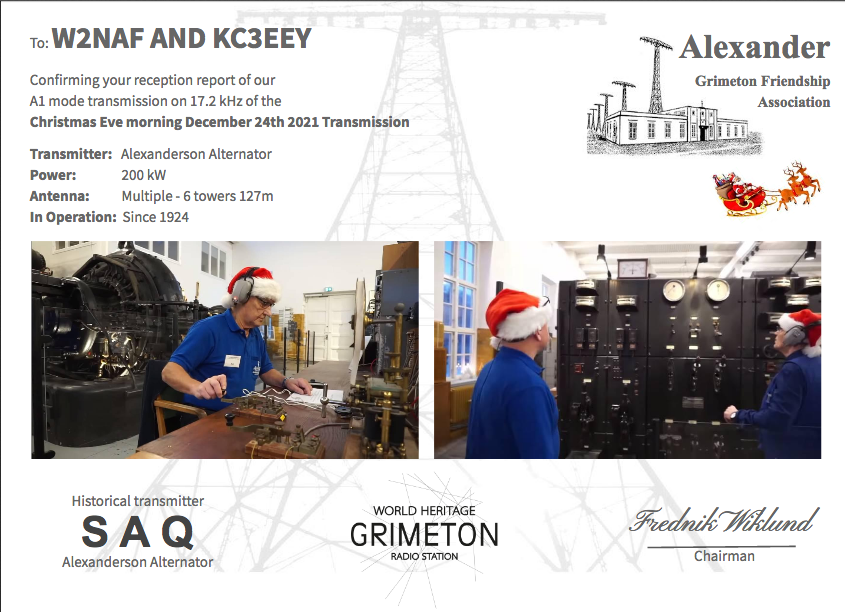
    SAQ at Grimeton, Sweden transmitted their annual Christmas Eve message
    on 17.2 kHz CW using the Alexanderson alternator.

    Recently, Nathaniel and I finished installing conduit and cable for a
    VLF SDR and the PSWS ground magnetometer. We installed the VLF SDR and
    active VLF antenna as well as the ground magnetometer and got both up
    and running.

    For many years, I wanted to be able to receive the SAQ Christmas Eve
    transmission, but here in the US, it can be difficult. The
    transmission was scheduled to occur at around 3AM EST or 8 UT. My VLF
    SDR was recording the VLF band this snowy morning and captured the
    spectrum. Unfortunately, the propagation conditions weren't the best,
    but I was able to hear it, but just barely, and I mean just barely!
    Here is a link to the mp3 file:
    https://drive.google.com/file/d/1DhiKg9azAJzBZkv6rqFCXZQh1VZnhiSy/view?usp=sharing

    Only at 14:40 into the recording can you just barely make out the 500
    Hz downmixed carrier. I can maybe copy a few characters. If anyone is
    interested how I created the file, here is a long pipe using
    vlfrx-tools to read data from the data store, bandpass filter at 17.2
    kHz center with 1 kHz bandwidth. Comments are added for description:

    vtread -T 2021-12-24_07:41:30,+24m /data/vlf_96k | # read from data store starting at 12/24/2021 7:41:30 UT for a duration of 24 minutes.
       vtfilter -h bp,f=17200,w=1000 -g50 | # Insert a bandpass filter with fc=17200 Hz, 1000 Hz wide with a gain of 50.
       vtmult -f 16700 | # downmix carrier to 500 Hz using 16700 Hz local oscillator
       vtmix -c 1,-j | # select the upper sideband
       vtraw -ow | # convert to wav
       lame -b64 -m m - SAQ122421.mp3 # encode pipe output to mp3

    vtfilter’s bandpass filter is a brick wall filter and when I tried to filter the spectrum further, I didn’t get a good enough result. The bandpass filter that sox uses is a two-pole Butterworth filter and worked much better! I used the following:

    sox -v 20 SAQ122421.wav SAQ122421_20Hz.wav bandpass 493 20

    and encoded to mp3. The file can be downloaded at https://drive.google.com/file/d/1KgLsOCMnkfhC5yBDN0bz8N0WOLn5uXZa/view

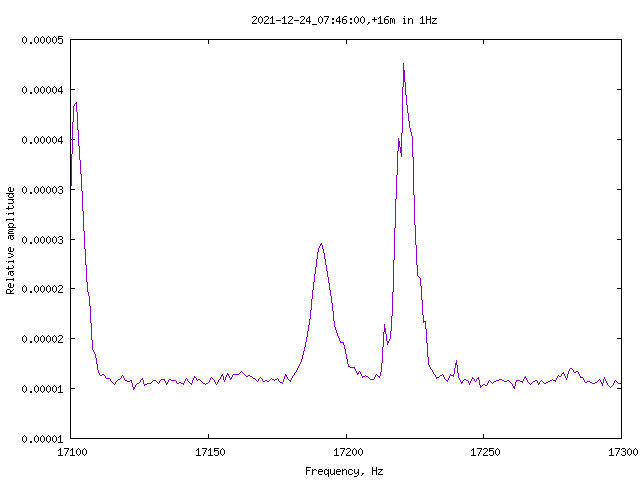
    vlfrx-tools has a a few spectrum analyzing utilities and I was able to look at the non-coherent spectrum integrated over the duration of the transmission. It generated a plot with a little peak about 3 magnitudes above the noise floor. Plot below:


    HamSCI Workshop 2022 Call for Abstracts

    A call for abstracts is now open for the 2022 HamSCI Workshop, which will be hybrid in-person and virtual March 18-19, 2022 at The U.S. Space and Rocket Center Educators Training Facility in Huntsville, Alabama. Abstracts are due February 1, 2022. The primary objective of the HamSCI workshop is to bring together the amateur radio community and professional scientists. This year's theme is The Weather Connection, with invited speakers Dr. Tamitha Skov WX6SWW and Mr. Jim Bacon G3YLA presenting tutorials on the impacts of both space and terrestrial weather on the ionosphere, and a keynote presentation by Dr. Chen-Pang Yeang on Ham Radio and the Discovery of the Ionosphere. We welcome abstract submissions related to development of the Personal Space Weather Station, ionospheric science, atmospheric science, radio science, space weather, radio astronomy, and any science topic that can be related to space science and/or the amateur radio hobby.

    We especially encourage submissions related to this year's meeting theme of The Weather Connection, but will also accept abstracts outside of this theme that are of interest to both the amateur radio and professional science communities. To submit an abstract, please fill out the on the HamSCI Workshop 2021 page at http://hamsci.org/hamsci2022.  Workshop registration will by mid-January 2022.

    The 2022 HamSCI Workshop is organized by The University of Scranton in collaboration with The University of Alabama and NASA Marshall Space Flight Center. Financial support is provided by the United States National Science Foundation.

    HamSCI Contesting League

    In early 2022, there’s an opportunity for on-the-air camaraderie and friendly competition among HamSCI amateur radio operators:  HamSCI team entries in the January 2022 running of the North American QSO Party, SSB, better known by its acronym, NAQP.

    The NAQP is a 12-hour ham radio competition, what most call a ‘contest’.  Operators follow specific rules on when to operate, whom they may contact and on which HF bands, and what QSO information has to be exchanged for a valid contact.  The rules set up two basic groups for scoring purposes:  Single operators (one ham, one station) and multi-two (a group of hams, often a club, operating one or two stations).  All contacts occur during the 12-hour contest period, 1800z to 0600z, January 22, 2022.  The NAQP is one of the few contests with a 100 watt power limit - so ‘little pistol’ stations can be competitive.  The contest information exchange is straightforward:  Name and state (or province).  Contest ops typically make between 1 and 1600 QSOs during the contest period, logging them on freely available software, such as N1MM Logger, WinTest and many others.

    The NAQP sponsors encourage team participation - so there are plans afoot to enter one or more HamSCI teams.  Teams consists of 2 to 5 members registering their team name and station callsigns with the sponsors, prior to the contest.  There are no membership or geographic limitations on who can join a team.   Many organizations field multiple teams, and these team names are being considered for January:

    • HamSCI Grapes
    • HamSCI Tangerines
    • HamSCI Eclipse Watchers
    • HamSCI SuperDARNs 

    As the name of the contest implies, the focus is on North America, though DX stations are welcome to call in and make contacts.  Logging of all contacts is not only encouraged, it is mandatory to aggregate team scores and if you want to be considered for prizes (certificates and plaques for top scorers). The results (listing all teams and stations who send in their logs) will appear in the National Contest Journal, in print and online (http://ncjweb.com/current-naqp-ssb-results/)

    Complete contest rules can be found at  https://ncjweb.com/naqp/

    We have some well known contesting operators in HamSCI - and some rookies, too - all are welcome.  School stations are ripe for multi-two entries.  For the college stations:  The NAQP-SSB is one of the two events which make up the North American Collegiate Challenge (https://www.w9smc.com/nacc/)

    We can begin now, gathering callsigns of interested team members, in preparation for the team registration process.  Gary Mikitin, AF8A, has volunteered to organize and register the teams.  If you would like to participate, please contact him via <gmikitinaf8a> <at> gmail <dot> com.  Gary can answer any questions you might have about operating in the NAQP.

    Mark your calendars for Saturday, January 22, 2022, 1800z - 0600z, for some SSB, on-the-air, work-your-fellow-HamSCI-members kind of fun!

    VLF

    This is a test!